
Tag: UPSC Current Affairs
-
Space Weaponisation: Risks and India’s Strategy
Space Weaponisation threatens satellites, strategic stability and peaceful orbital access. Read the full UPSC analysis by Chetan Bharat Learning.
-
Data Centres: Powering India’s Digital Economy
Data Centres power India’s AI, cloud and digital economy while raising energy and water concerns. Read the full UPSC analysis by Chetan Bharat Learning.
-
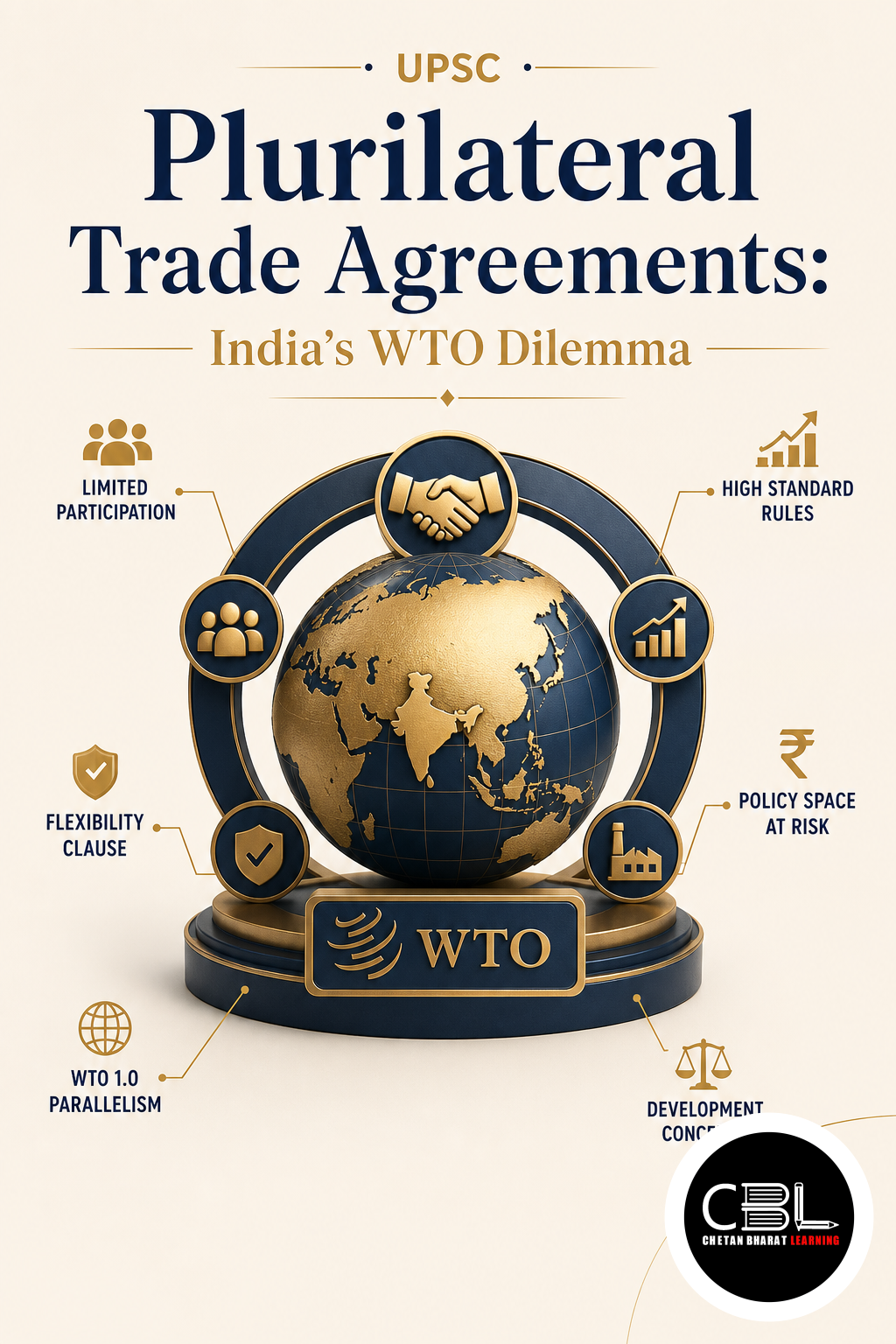
Plurilateral Trade Agreements: India’s WTO Dilemma
Plurilateral Trade Agreements test India’s WTO strategy on trade rules, consensus and development. Read the full UPSC analysis by Chetan Bharat Learning.
-
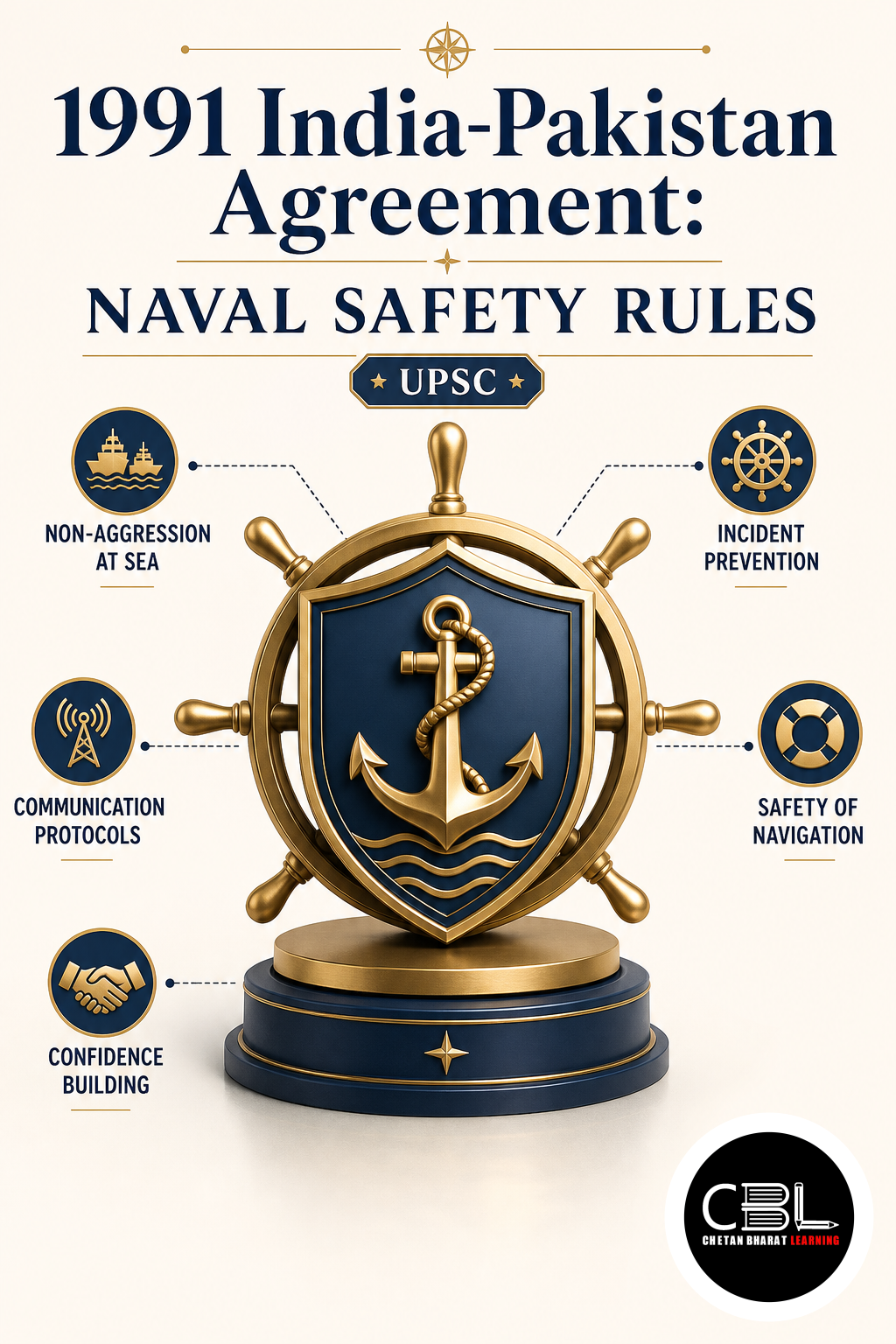
1991 India-Pakistan Agreement: Naval Safety Rules
1991 India-Pakistan Agreement sets notification and naval safety rules to prevent escalation. Read the full UPSC analysis by Chetan Bharat Learning.
-
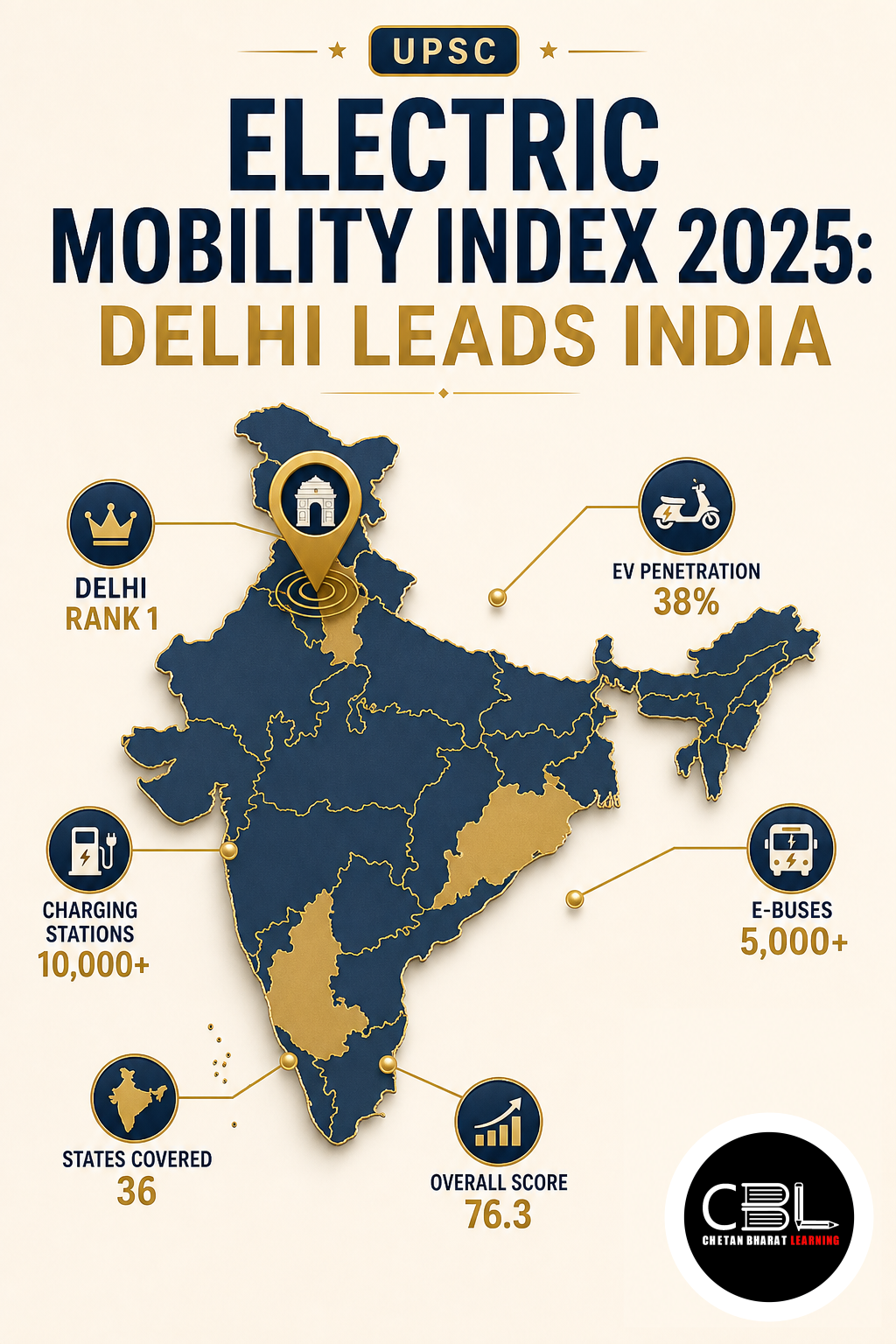
Electric Mobility Index 2025: Delhi Leads India
Electric Mobility Index 2025 ranks Delhi first and reveals India’s uneven EV transition. Read the full UPSC analysis by Chetan Bharat Learning.
-
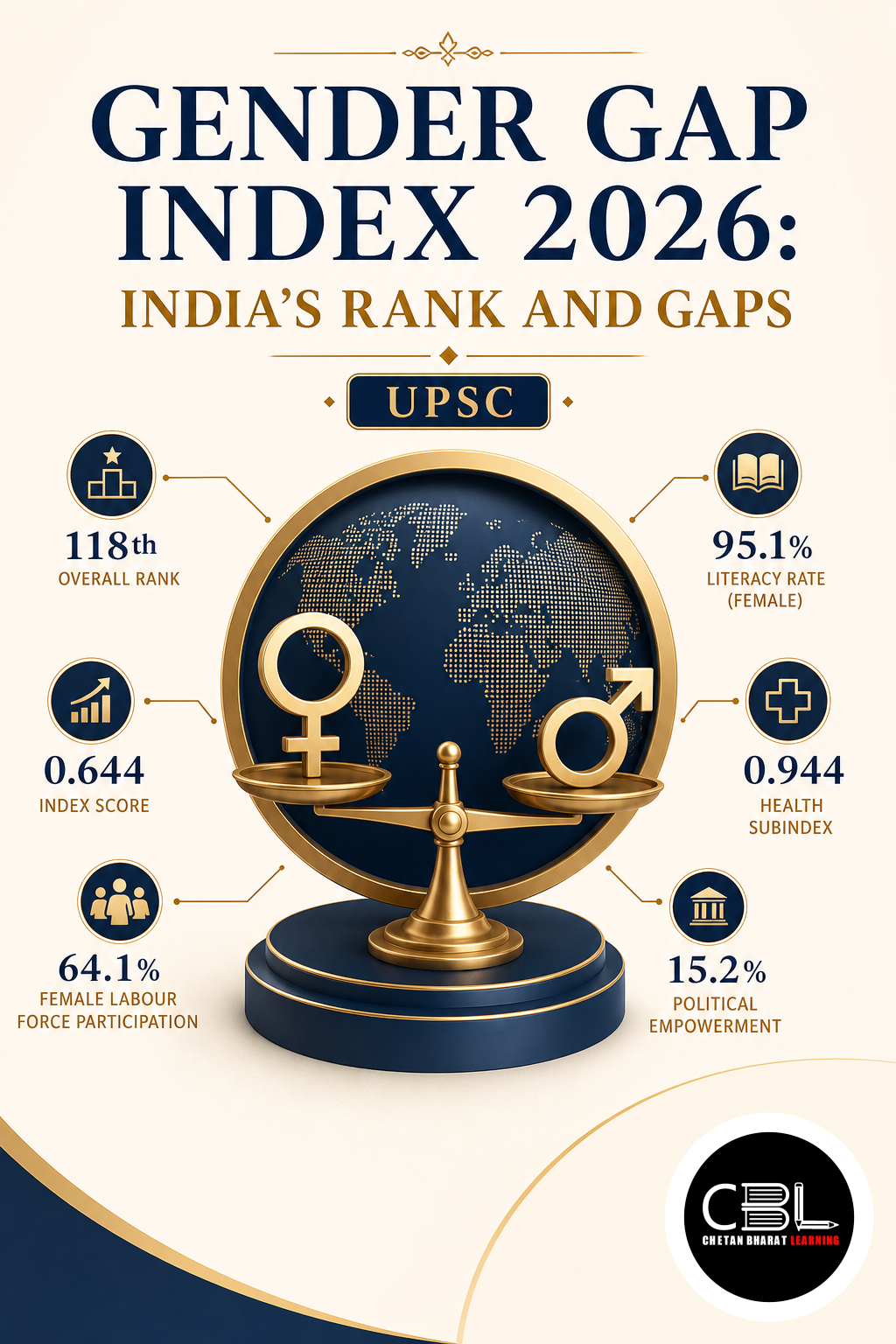
Gender Gap Index 2026: India’s Rank and Gaps
Gender Gap Index 2026 ranks India 131st as economic and political disparities persist. Read the full UPSC analysis by Chetan Bharat Learning.
-
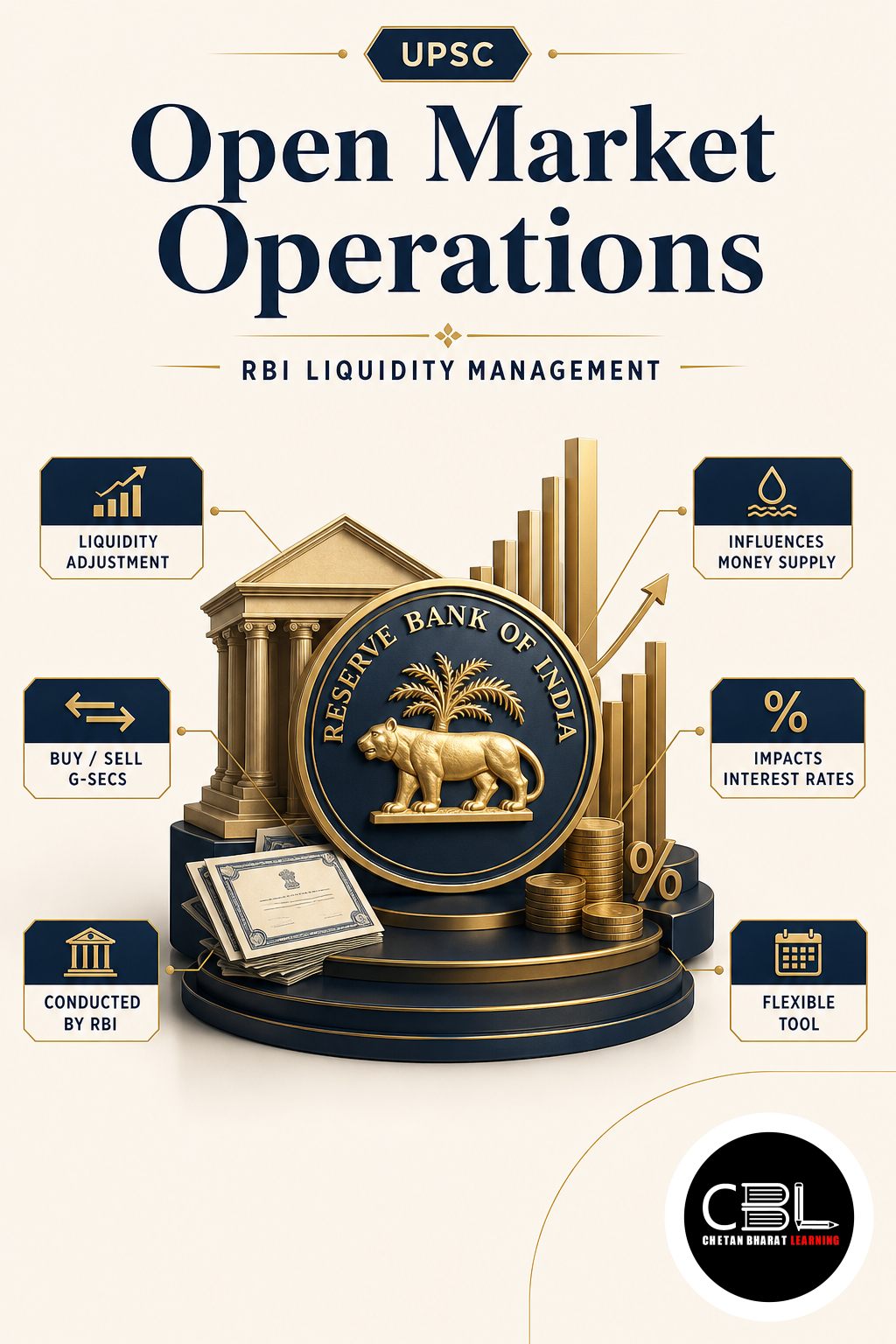
Open Market Operations: RBI Liquidity Management
Open Market Operations allow the RBI to regulate durable liquidity through government securities, influencing bank reserves, bond yields and credit conditions across the economy.
-

Copper Market Rally: Causes and India Impact
The Copper Market has gained attention after international benchmark prices reached record territory. Supply constraints, infrastructure investment and expanding clean-energy industries have strengthened demand expectations for this versatile metal.
-
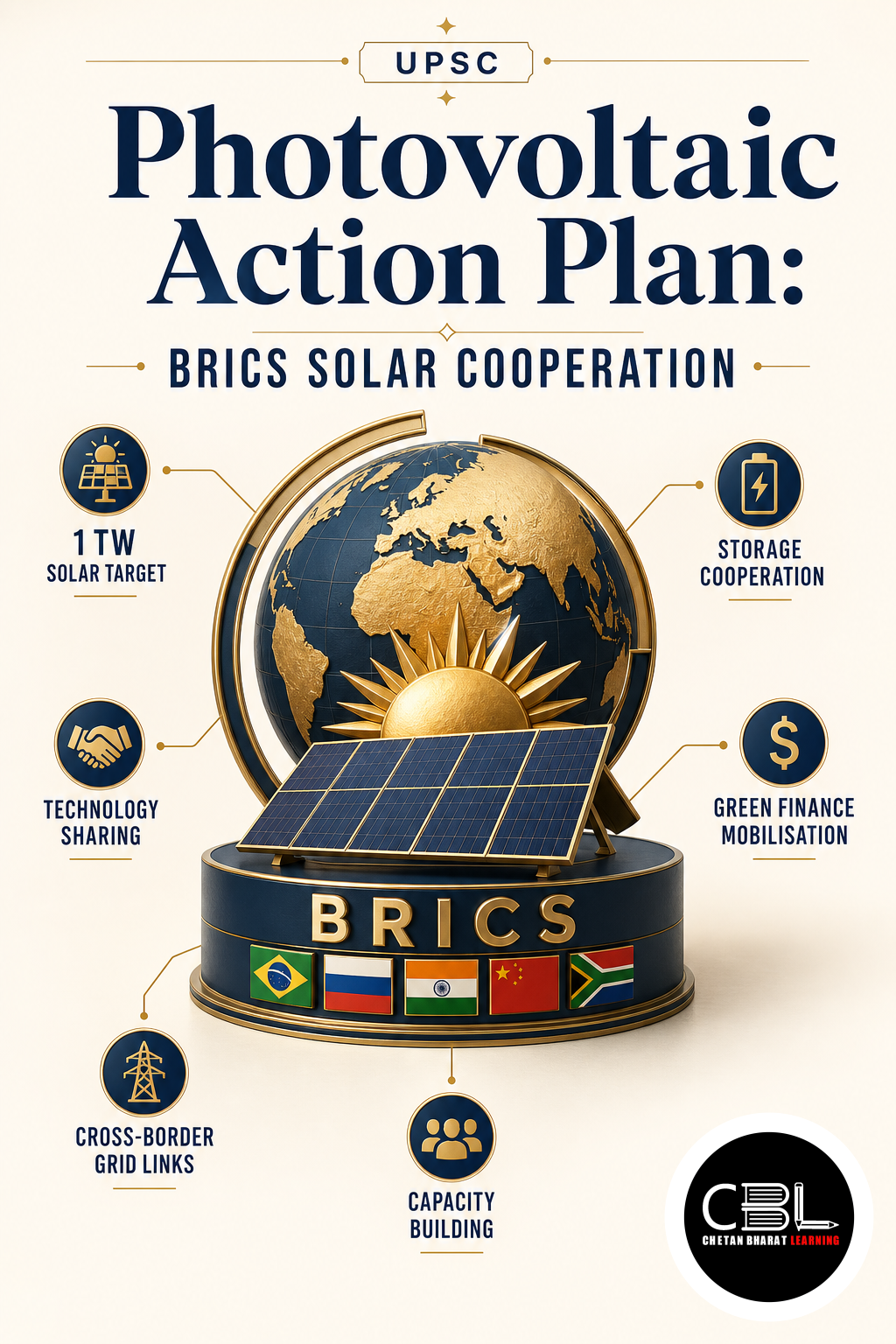
Photovoltaic Action Plan: BRICS Solar Cooperation
The Photovoltaic Action Plan places solar manufacturing at the centre of industrial cooperation among BRICS members, linking the energy transition with technology sharing, affordable finance and skilled human resources.
-

Wildlife Enforcement Network: South Asia Cooperation
Wildlife Enforcement Network strengthens cooperation against organised trafficking across South Asia.
Recent Posts
- Anti-Defection Law: Gaps, Judgments and Reforms
- UN Trust Deficit: Causes and Reform Priorities
- UNESCO Tentative List: India Adds Five Heritage Sites
- Poompuhar Excavations: Ancient Maritime Links Revealed
- Right to Vote in India: Constitutional Status Explained
- Western Ghats ESA: Conservation–Livelihood Debate
- E-Methanol Plant: India’s Green Shipping Push
- FIPIC Meeting: India-Pacific Partnership at UNGA
- Lalit Kala Akademi: 20 Artists Win National Awards
- AFSPA Extension: Security Powers and Rights Debate
Related Tags