
Category: Economy
-
ASEAN Regional Forum: Indo-Pacific Security for UPSC
ASEAN Regional Forum promotes security dialogue, confidence-building and preventive diplomacy in the Indo-Pacific. Revise key facts for UPSC now.
-

India Tanzania Relations: Strategic Ties for UPSC
India Tanzania Relations cover trade, defence, development and Indian Ocean cooperation. Explore their strategic importance for UPSC now.
-
Antibiotic Consumption: India’s AMR Challenge
UPSC Syllabus Mapping GS Paper: GS-II and GS-III Subject: Health, Antimicrobial Resistance, Public Health Governance and Science & Technology Article Antibiotic Consumption in India shows a troubling mismatch between how many antibiotics people use and which medicines they receive. A recent international study assessed antibiotic requirements against local disease burdens using the World Health Organization’s…
-
Modified UDAN: India’s Regional Aviation Push
UPSC Syllabus Mapping GS Paper: GS-III Subject: Infrastructure, Civil Aviation, Investment Models and Regional Connectivity What is Modified UDAN? UDAN stands for Ude Desh ka Aam Nagrik and originated as India’s Regional Connectivity Scheme in 2016. Its central objective is to make air services accessible on routes that airlines may otherwise consider commercially unattractive. The…
-
Unjha Jeera GI Dispute: Key Issues for UPSC
Unjha Jeera GI dispute pits cultivation claims against market reputation.
-

Jeera GI Tag Dispute: Gujarat vs Rajasthan for UPSC
Jeera GI Tag dispute raises questions over origin, reputation and producer rights between Gujarat and Rajasthan. Understand the UPSC issues now.
-
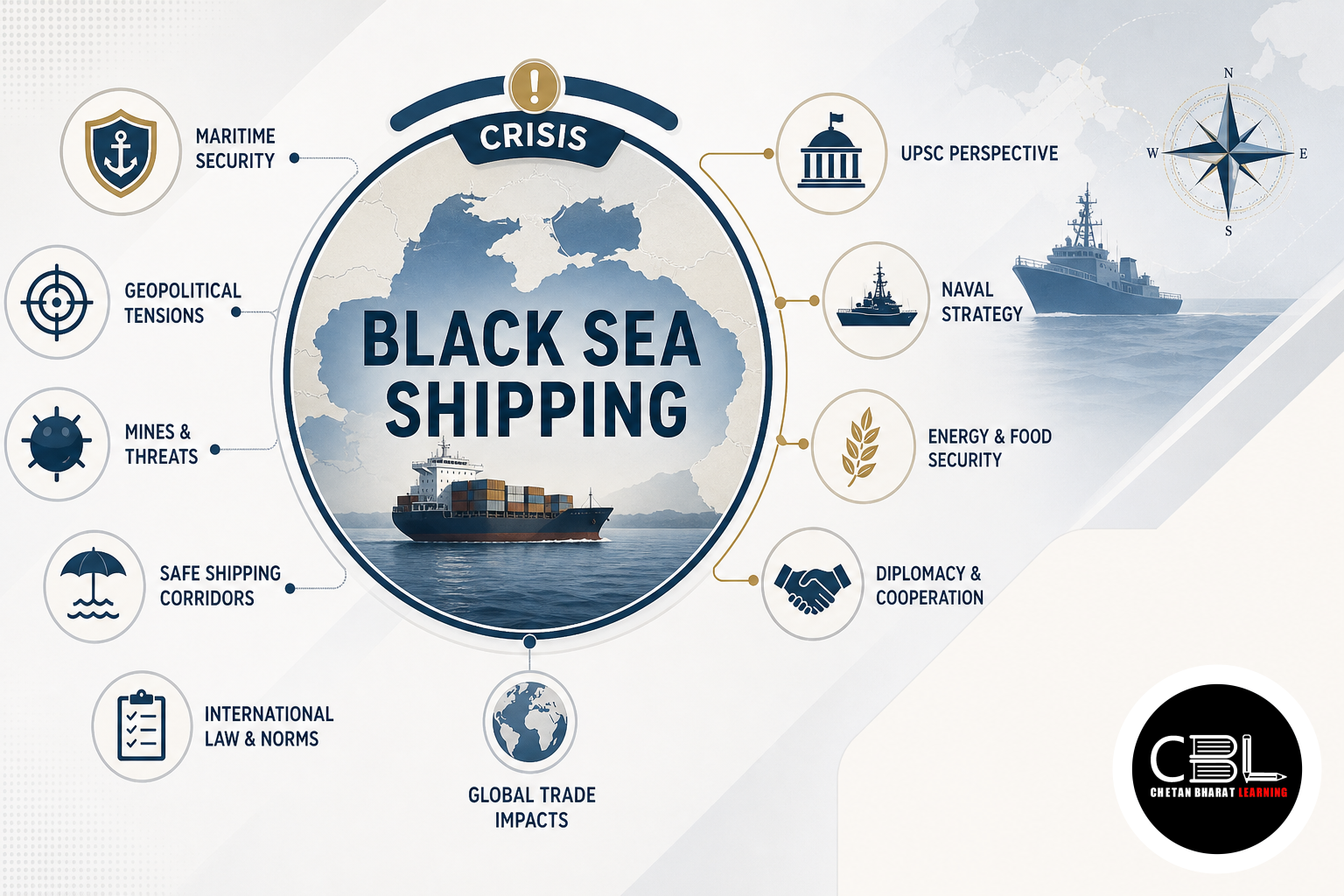
Black Sea Shipping Crisis: UPSC Maritime Security
Black Sea Shipping has returned to focus after attacks on commercial vessels near Ukraine raised concerns about civilian crews and maritime trade.
-
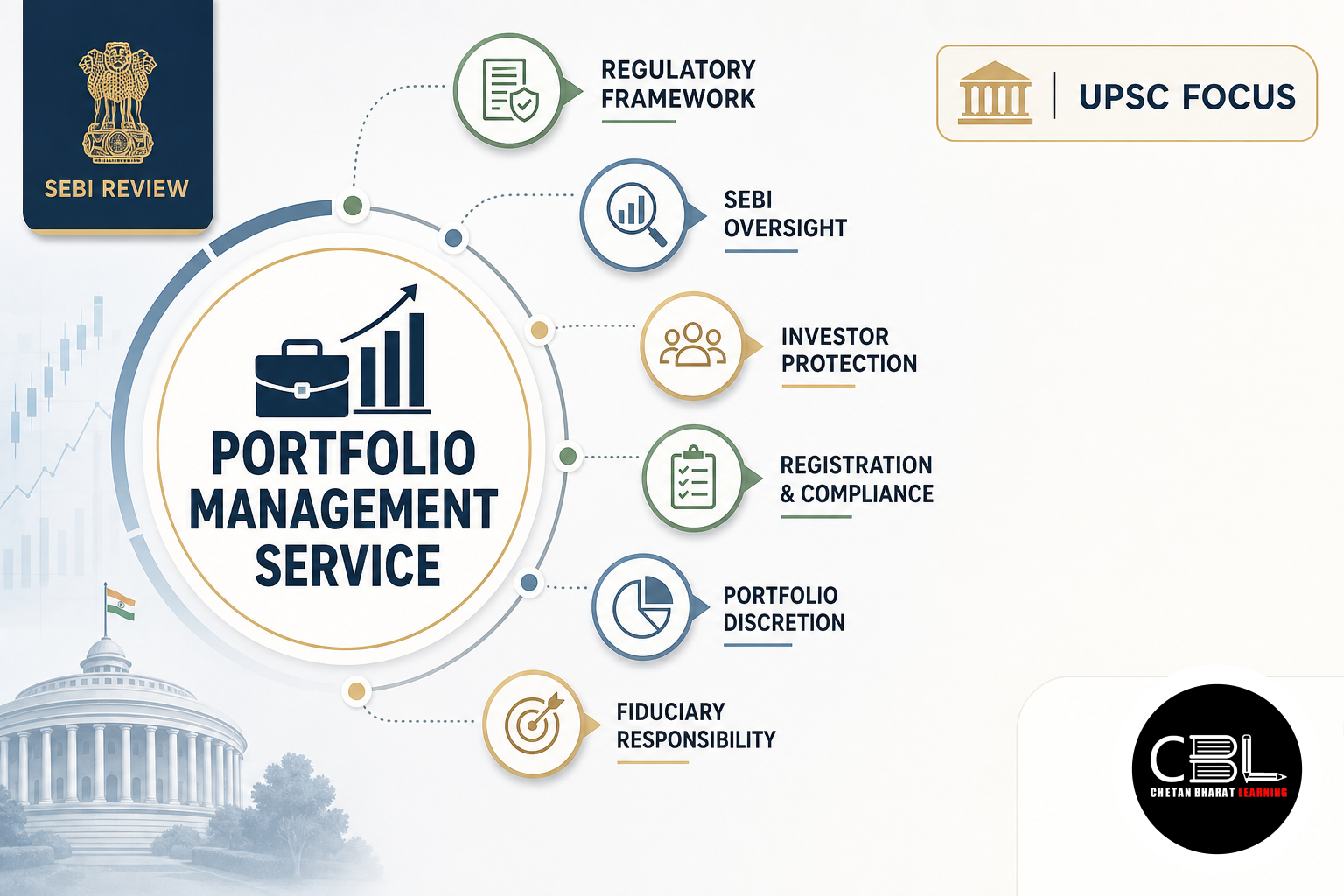
Portfolio Management Service: SEBI Review for UPSC
Portfolio Management Service rules face a comprehensive SEBI review. Learn PMS types, regulations, risks and UPSC relevance.
-
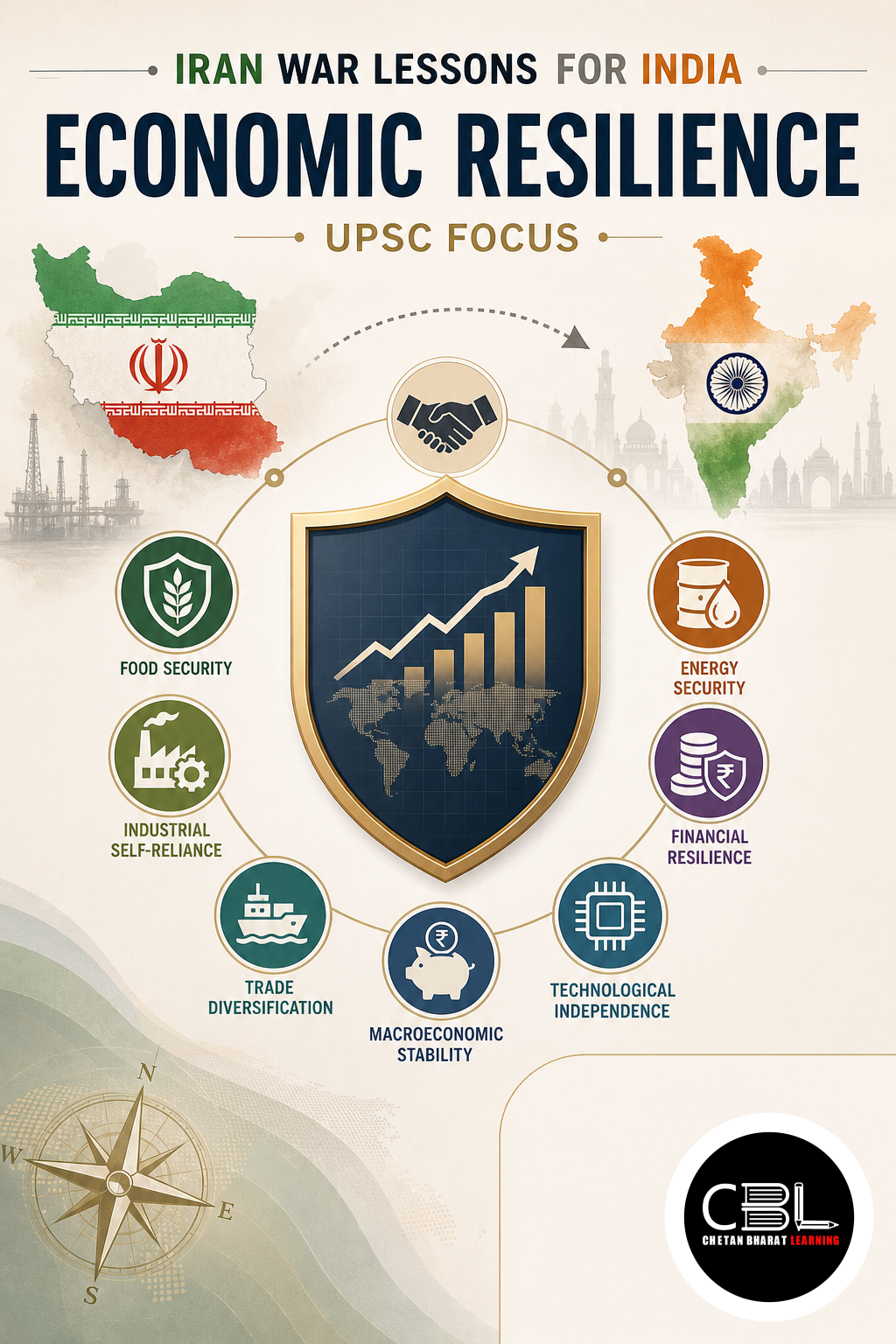
Economic Resilience: Iran War Lessons for India UPSC
Economic Resilience is vital as the Iran war tests India’s energy and supply chains. Learn the four strategic pillars India must strengthen for UPSC.
-
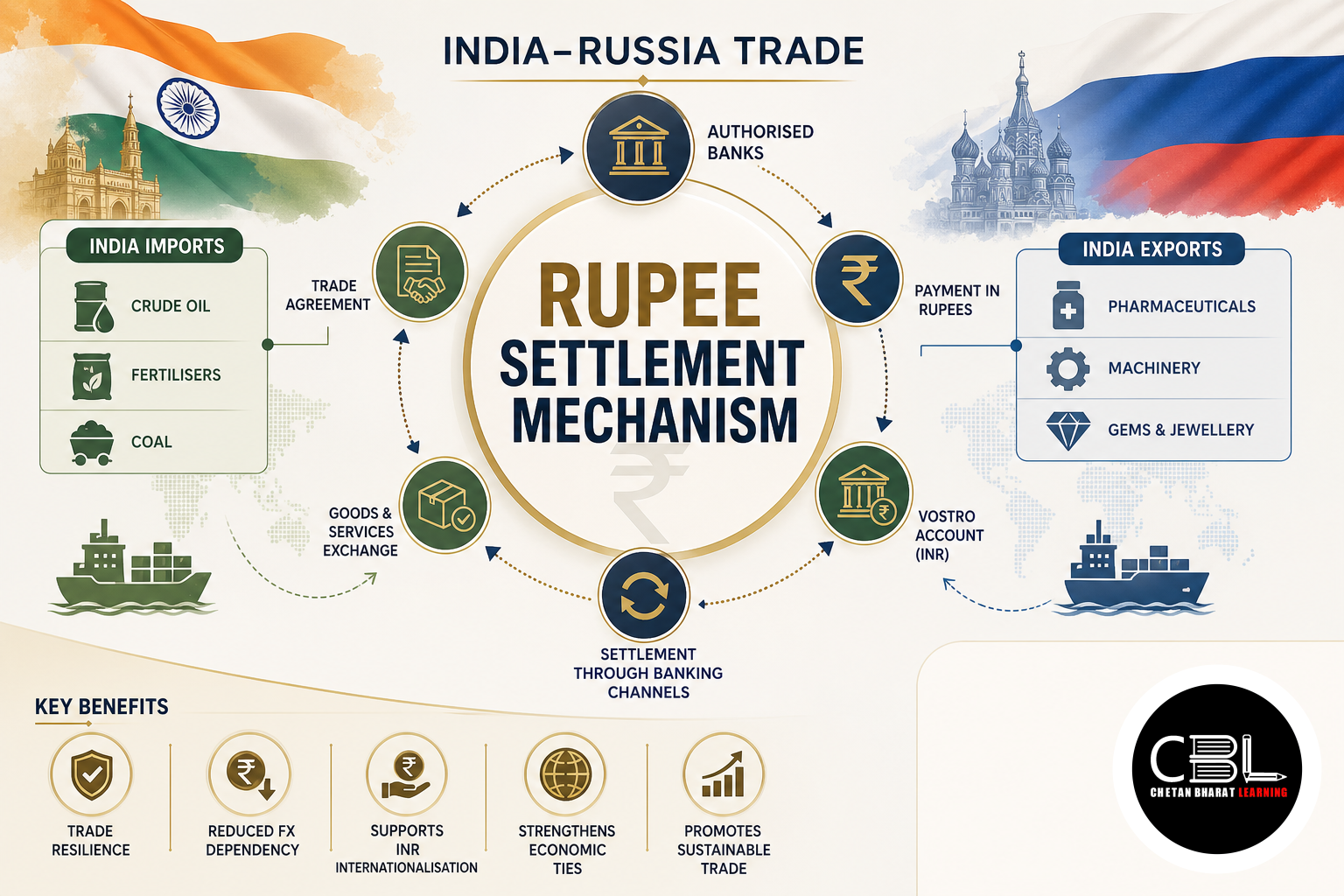
Rupee Settlement Mechanism: India-Russia Trade for UPSC
Rupee Settlement Mechanism has gained renewed attention in India-Russia trade as both countries explore using their national currencies for bilateral transactions, impacting energy security, external-sector management and UPSC preparation.
Recent Posts
- Anti-Defection Law: Gaps, Judgments and Reforms
- UN Trust Deficit: Causes and Reform Priorities
- UNESCO Tentative List: India Adds Five Heritage Sites
- Poompuhar Excavations: Ancient Maritime Links Revealed
- Right to Vote in India: Constitutional Status Explained
- Western Ghats ESA: Conservation–Livelihood Debate
- E-Methanol Plant: India’s Green Shipping Push
- FIPIC Meeting: India-Pacific Partnership at UNGA
- Lalit Kala Akademi: 20 Artists Win National Awards
- AFSPA Extension: Security Powers and Rights Debate
Related Tags