
Tag: IAS Coaching in Chandigarh
-
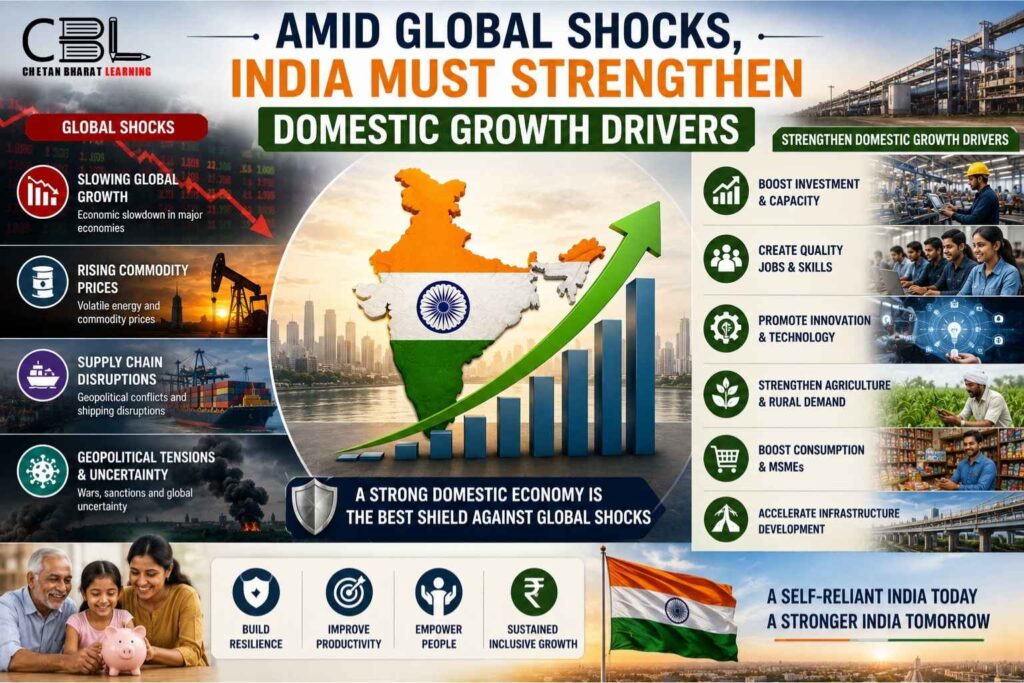
Amid Global Shocks, India Must Strengthen Domestic Growth Drivers
India’s economy demonstrated remarkable resilience during FY 2025-26, recording a growth rate of 7.7% despite global uncertainties, geopolitical tensions, and trade disruptions. However, the economic environment for FY 2026-27 appears more challenging. Rising energy prices, inflationary pressures, slowing global demand, and climate-related risks are creating fresh concerns for policymakers. Against this backdrop, economists argue that…
-
India-Venezuela Energy Partnership: Opportunities and Challenges
Why Is This News Important? India and Venezuela are exploring a long-term energy partnership aimed at strengthening bilateral cooperation and ensuring stable energy supplies. During the recent visit of Venezuela’s Acting President Delcy Rodriguez to India, both countries discussed long-term energy contracts and expanding cooperation in key sectors. The development is important for UPSC aspirants…
-
The Cloud Is the New Frontier of Digital Sovereignty
Why Cloud Sovereignty Has Become a Strategic Issue In the digital era, countries are increasingly dependent on cloud infrastructure to run businesses, government services, financial systems, and critical industries. However, this growing dependence has raised an important question: Who controls the digital infrastructure that powers a nation’s economy? The issue gained attention when reports suggested…
-
RBI’s Warning on Growth and Inflation: Why Global Conflicts Matter for India
Why RBI’s Assessment Matters The Reserve Bank of India (RBI), in its Annual Report for FY26, has maintained a positive outlook on India’s economic growth. However, the central bank has also cautioned that geopolitical conflicts and wars could create short-term challenges for both economic growth and inflation. In today’s interconnected world, economic performance is influenced…
-
India-US Relations: From Estranged to Engaged Democracies
Why India-US Relations Matter Today India and the United States share one of the most significant strategic partnerships of the 21st century. While both countries are the world’s largest democracies, their relationship was not always as close as it is today. From Cold War-era mistrust and policy differences, the relationship has evolved into a broad-based…
-
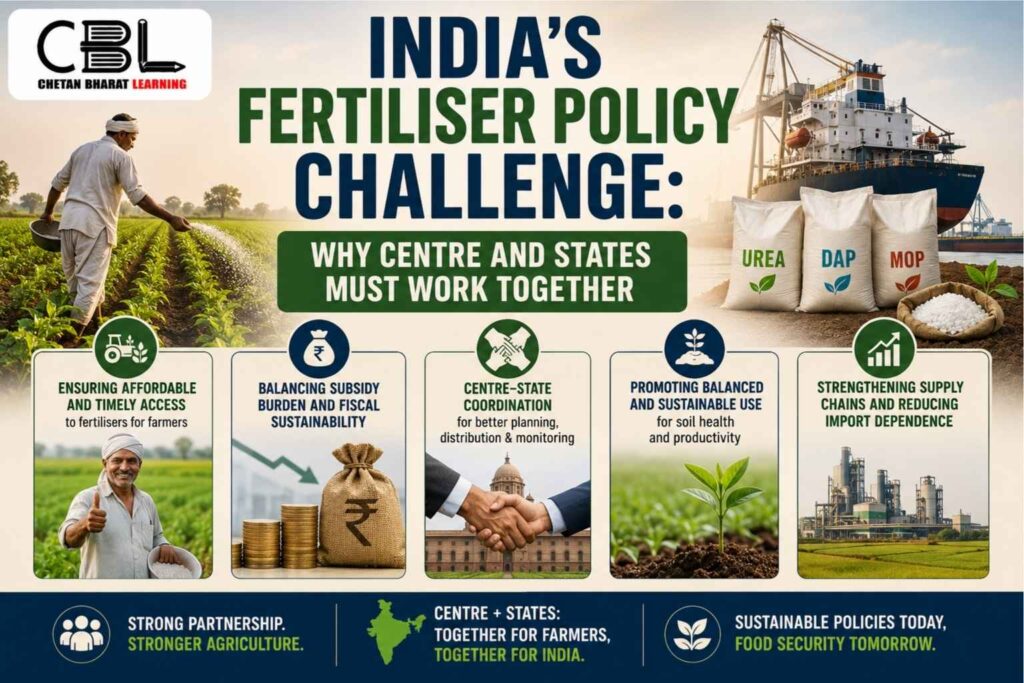
India’s Fertiliser Policy Challenge: Why Centre and States Must Work Together
Why Fertiliser Policy Has Become a Major Concern Fertilisers have played a crucial role in improving agricultural productivity and supporting India’s food security objectives. However, concerns are growing over the excessive use of chemical fertilisers, particularly urea, and their long-term impact on soil health, water resources, and agricultural sustainability. The debate has gained attention as…
-
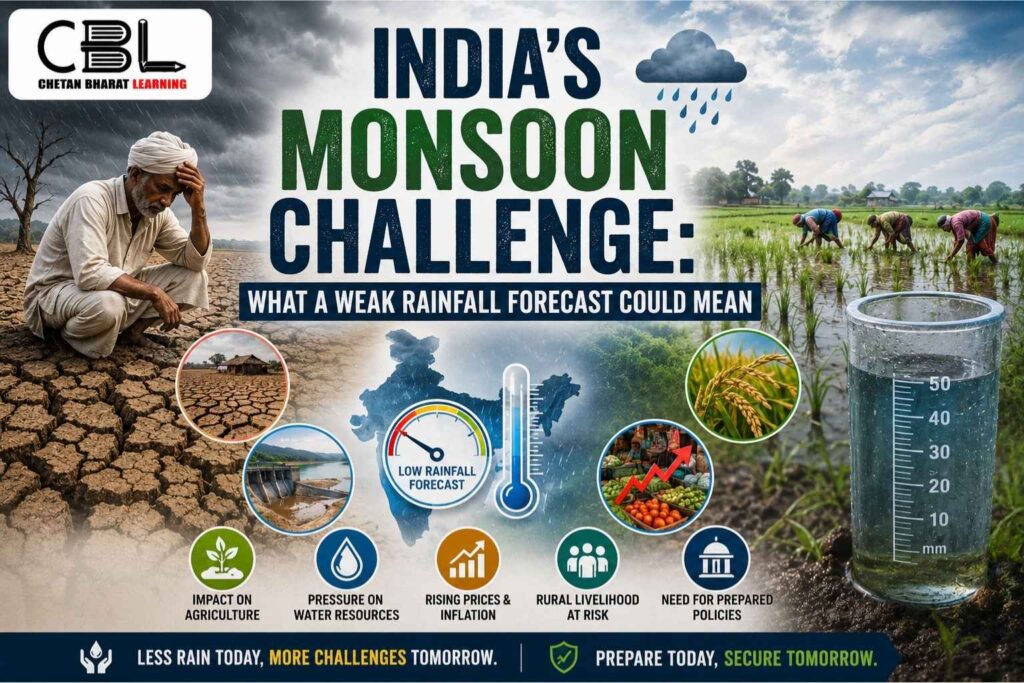
India’s Monsoon Challenge: What a Weak Rainfall Forecast Could Mean
Why the Monsoon Matters The southwest monsoon is often described as the lifeline of the Indian economy. Despite rapid urbanisation and economic diversification, agriculture, water resources, food security, and rural livelihoods continue to depend heavily on seasonal rainfall. Recent forecasts indicating that rainfall may fall to around 90% of the 50-year average have raised concerns…
-
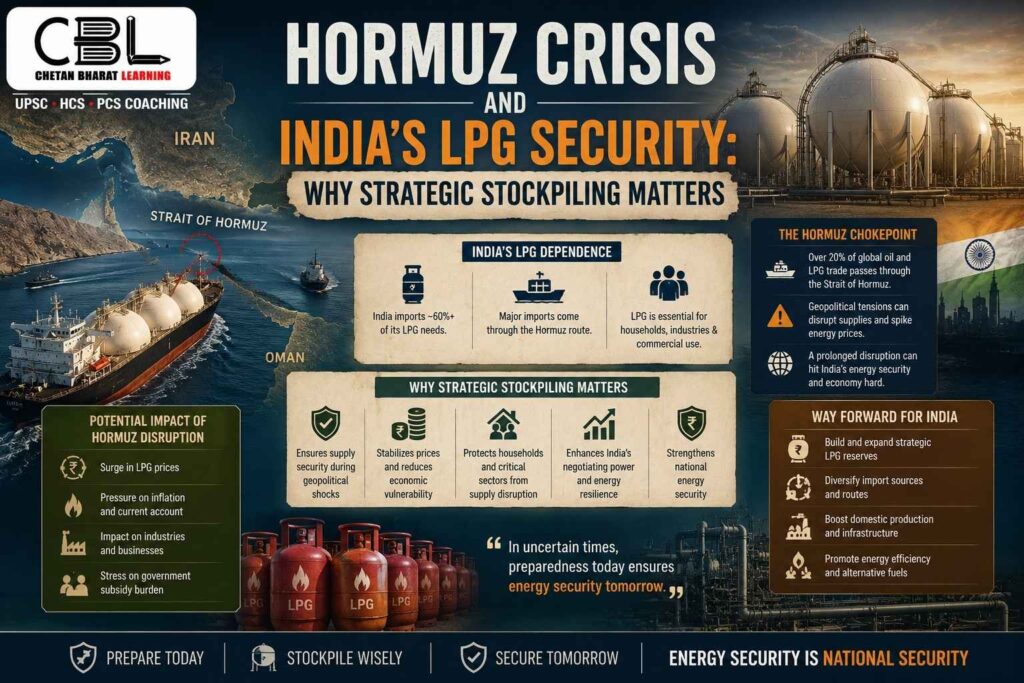
Hormuz Crisis and India’s LPG Security: Why Strategic Stockpiling Matters
Why the Hormuz Crisis Has Global Significance The Strait of Hormuz is one of the most strategically important maritime chokepoints in the world. A significant share of global oil and liquefied petroleum gas (LPG) trade passes through this narrow waterway connecting the Persian Gulf to global markets. Amid rising geopolitical tensions in West Asia, the…
Recent Posts
- Rajmargyatra Application: Features and UPSC Analysis
- Cybercrime Coordination Centre (I4C): UPSC Analysis
- Bud Rot Disease in Coconut Palms: UPSC Analysis
- Swavlamban 2026: Naval Innovation and UPSC Analysis
- Agri Welfare Portal 2026: Features and UPSC Analysis
- China Export Controls: AI, Solar Technology and India
- Inland Waterways: India’s Safe and Smart Navigation
- Coir Sector: Exports, Rural Jobs and Sustainable Growth
- Smriti Mandhana Named UNICEF India Celebrity Advocate
- RTI Act at 21: Achievements, Challenges and Reforms
Related Tags