Tag: Energy Security
-
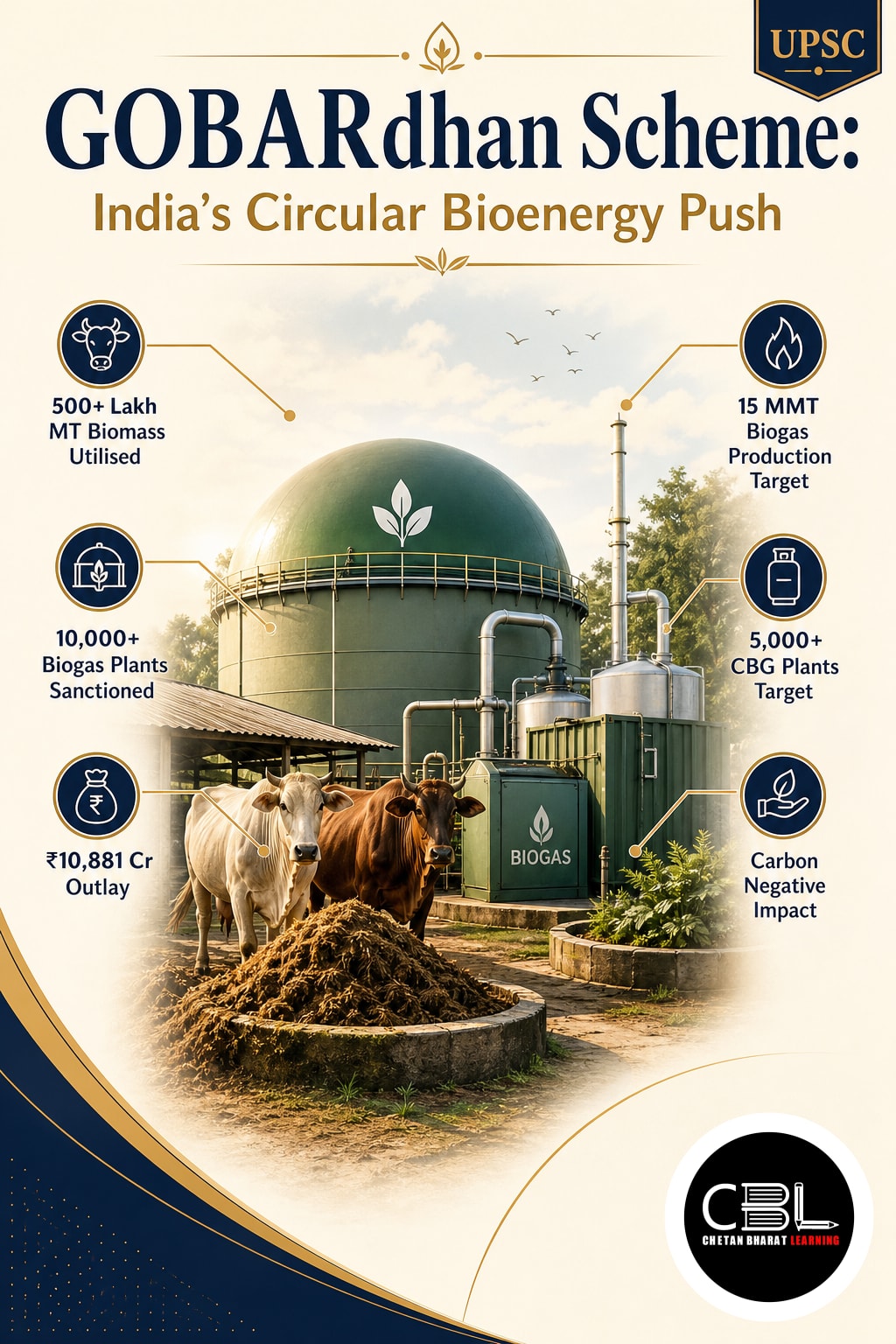
GOBARdhan Scheme: India’s Circular Bioenergy Push
Understand the GOBARdhan Scheme, its CBG incentives, benefits and implementation challenges. Read the full UPSC analysis by Chetan Bharat Learning.
-
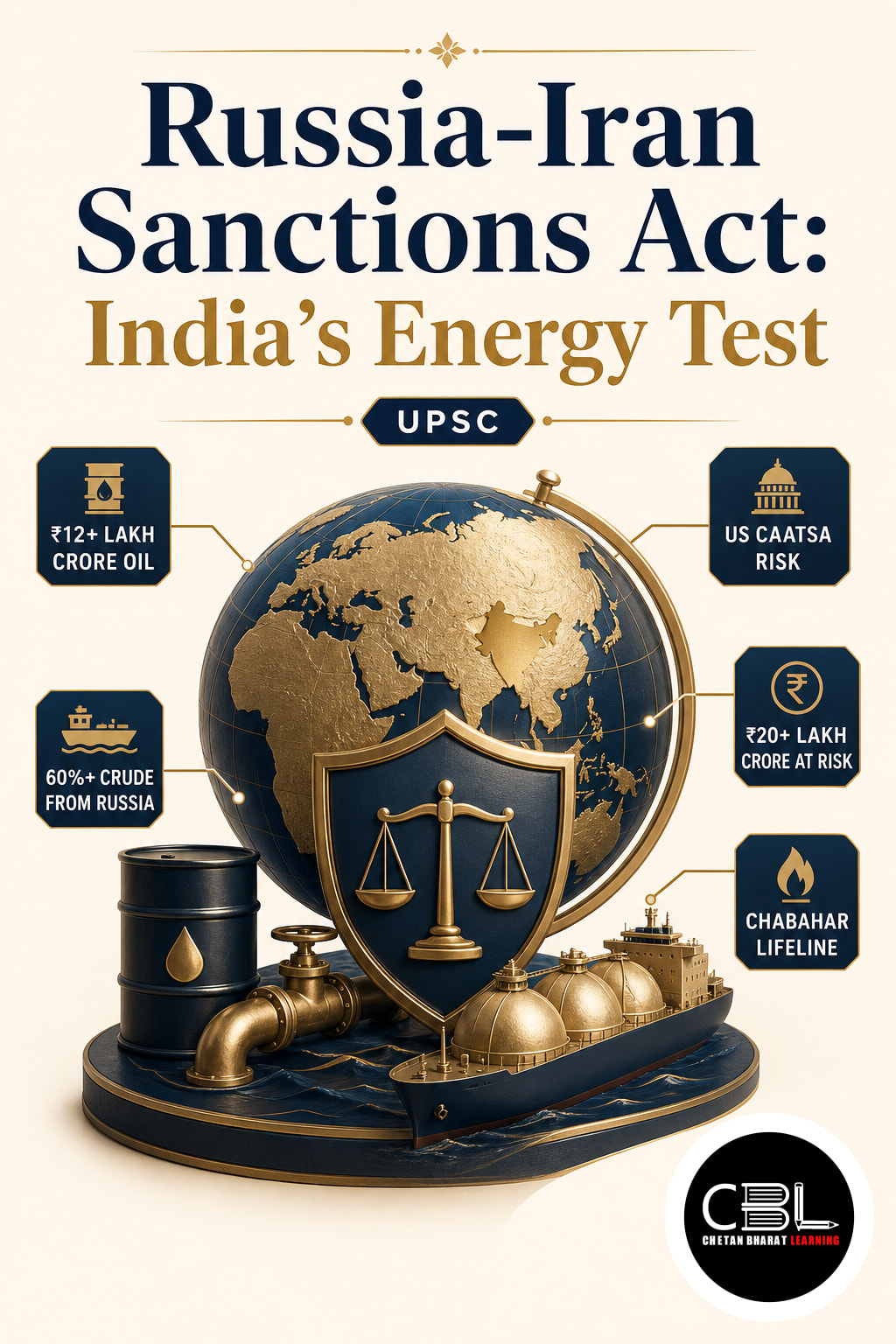
Russia-Iran Sanctions Act: India’s Energy Test
Explore the new Russia-Iran Sanctions Act, secondary tariffs and India’s energy choices. Read the full UPSC analysis by Chetan Bharat Learning.
-
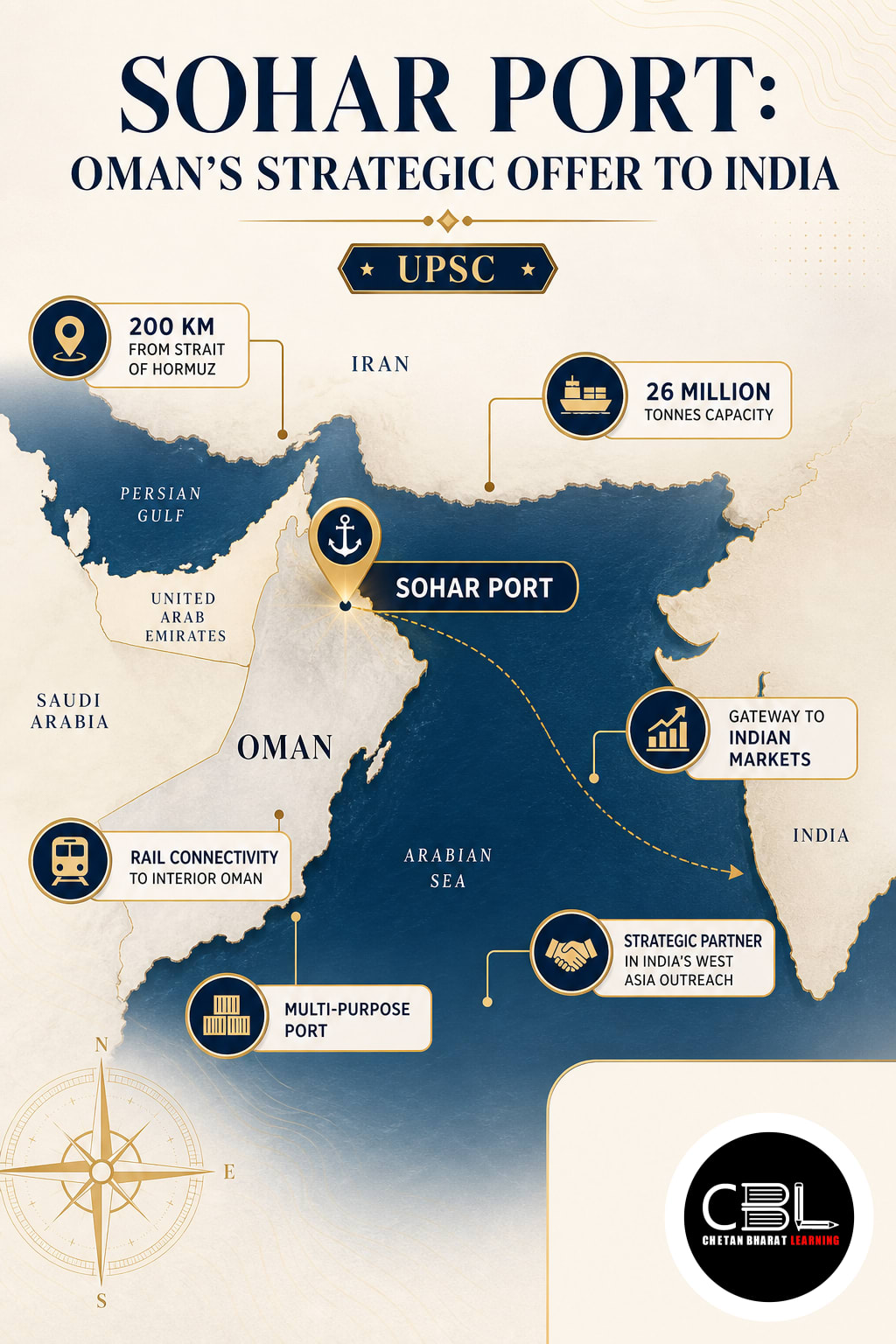
Sohar Port: Oman’s Strategic Offer to India
Sohar Port offers India a strategic energy and trade route outside the Strait of Hormuz. Read the full UPSC analysis by Chetan Bharat Learning.
-

LPG Booking Interval: Rural Consumers Get Relief
Understand the reduction of the LPG booking interval for rural consumers and its energy impact.
-
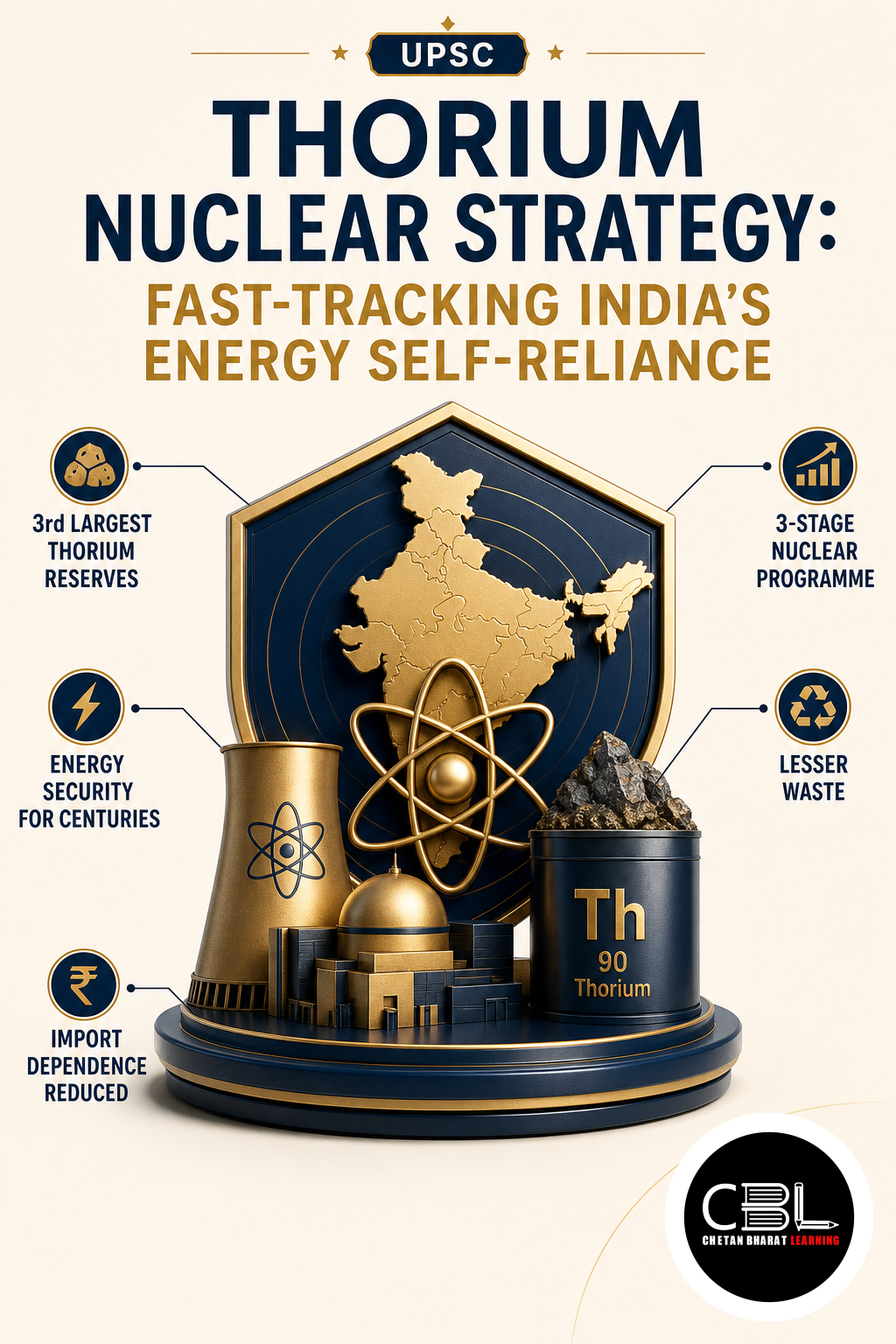
Thorium nuclear strategy: Fast-tracking India’s energy self-reliance
Discover how Anil Kakodkar’s push for thorium integration and India’s three-stage nuclear programme aim to secure the nation’s long-term energy independence.
-
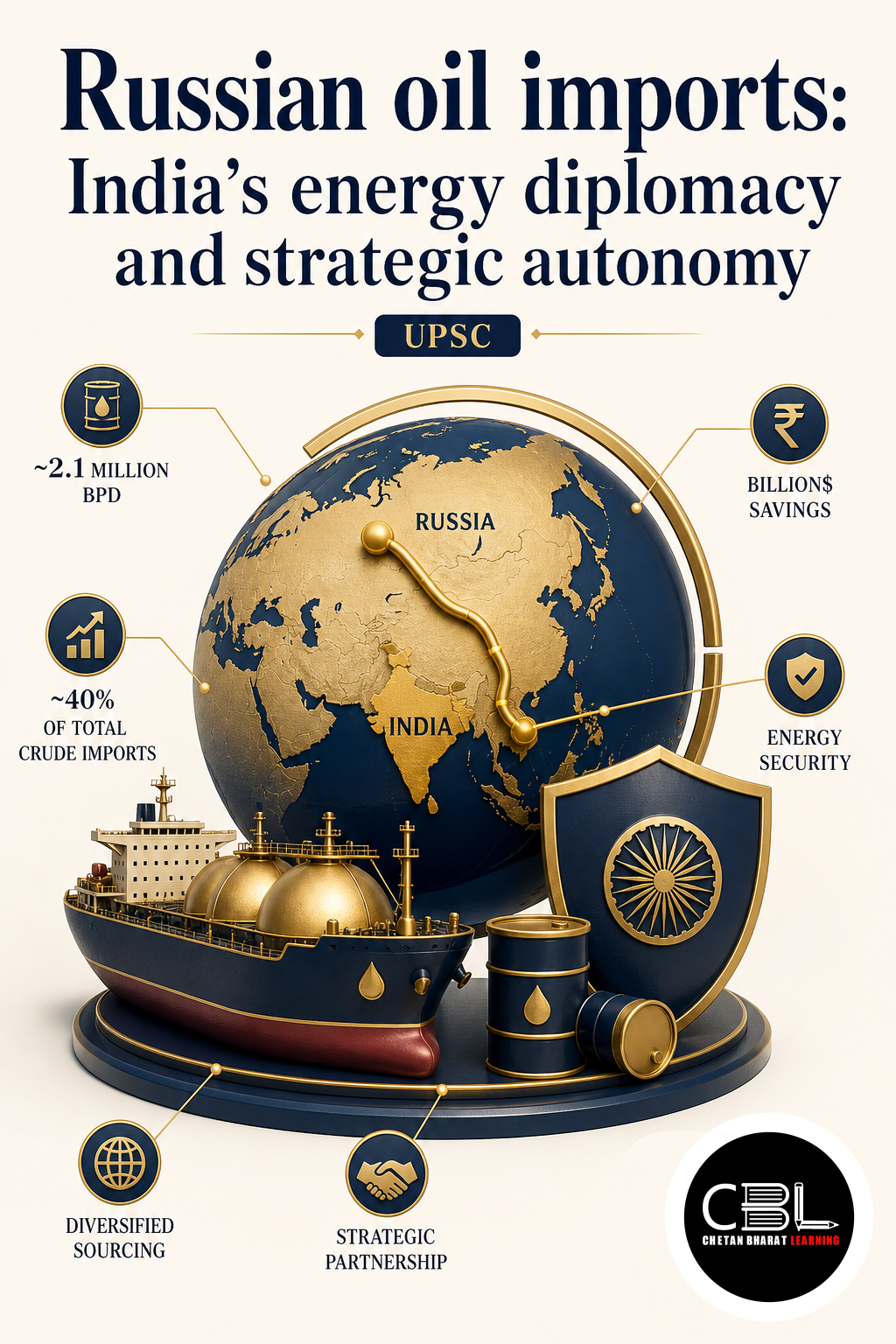
Russian oil imports: India’s energy diplomacy and strategic autonomy
India balances its strategic autonomy and energy security through discounted Russian crude imports amidst global supply pressures and shifting geopolitics.
-
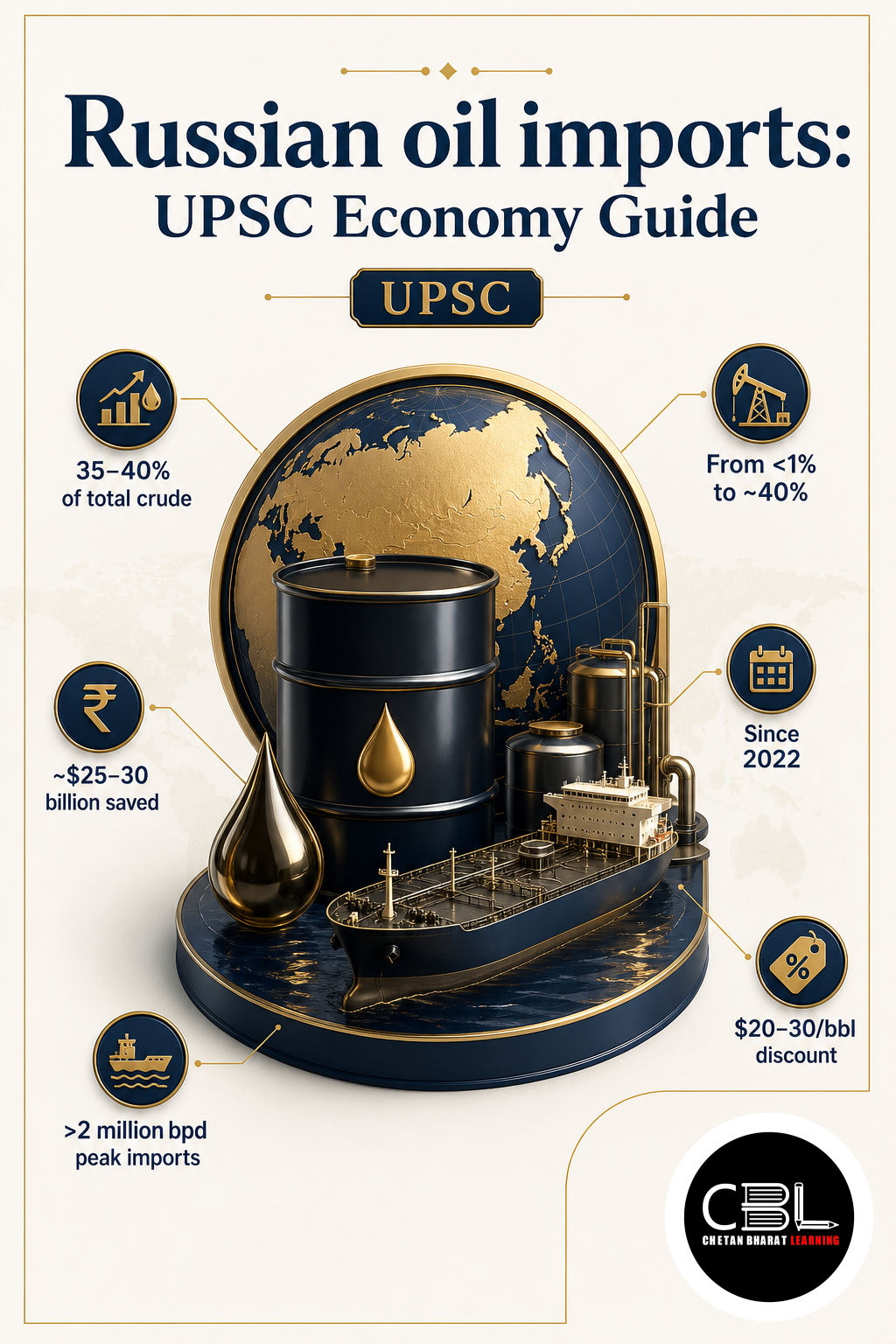
Russian oil imports: UPSC Economy Guide
Discover how shifting Russian oil imports impact India’s energy security and inflation.
-
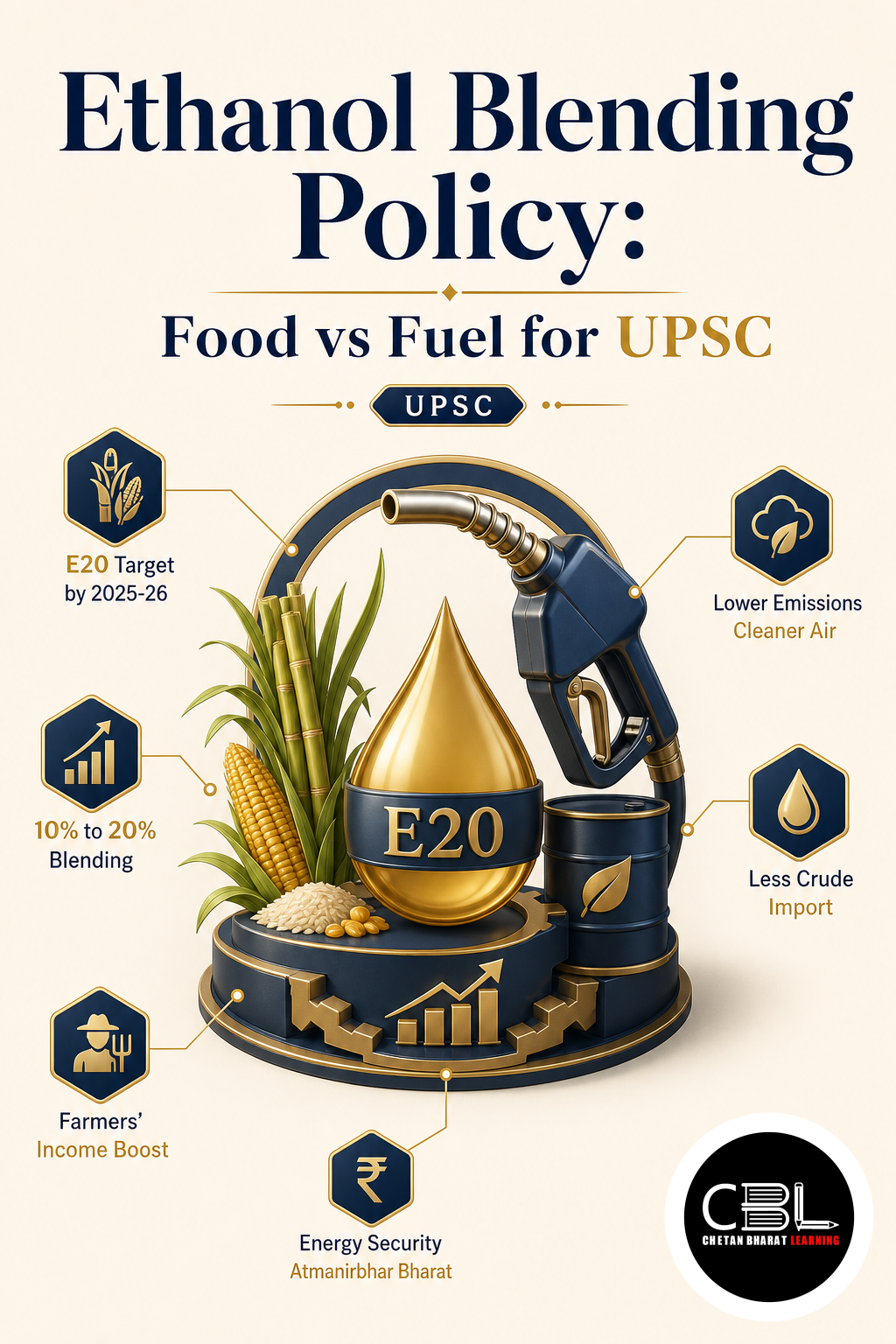
Ethanol Blending Policy: Food vs Fuel for UPSC
Ethanol Blending Policy can cut oil dependence but raises food, feed and water trade-offs. Read the full UPSC analysis by Chetan Bharat Learning.
-
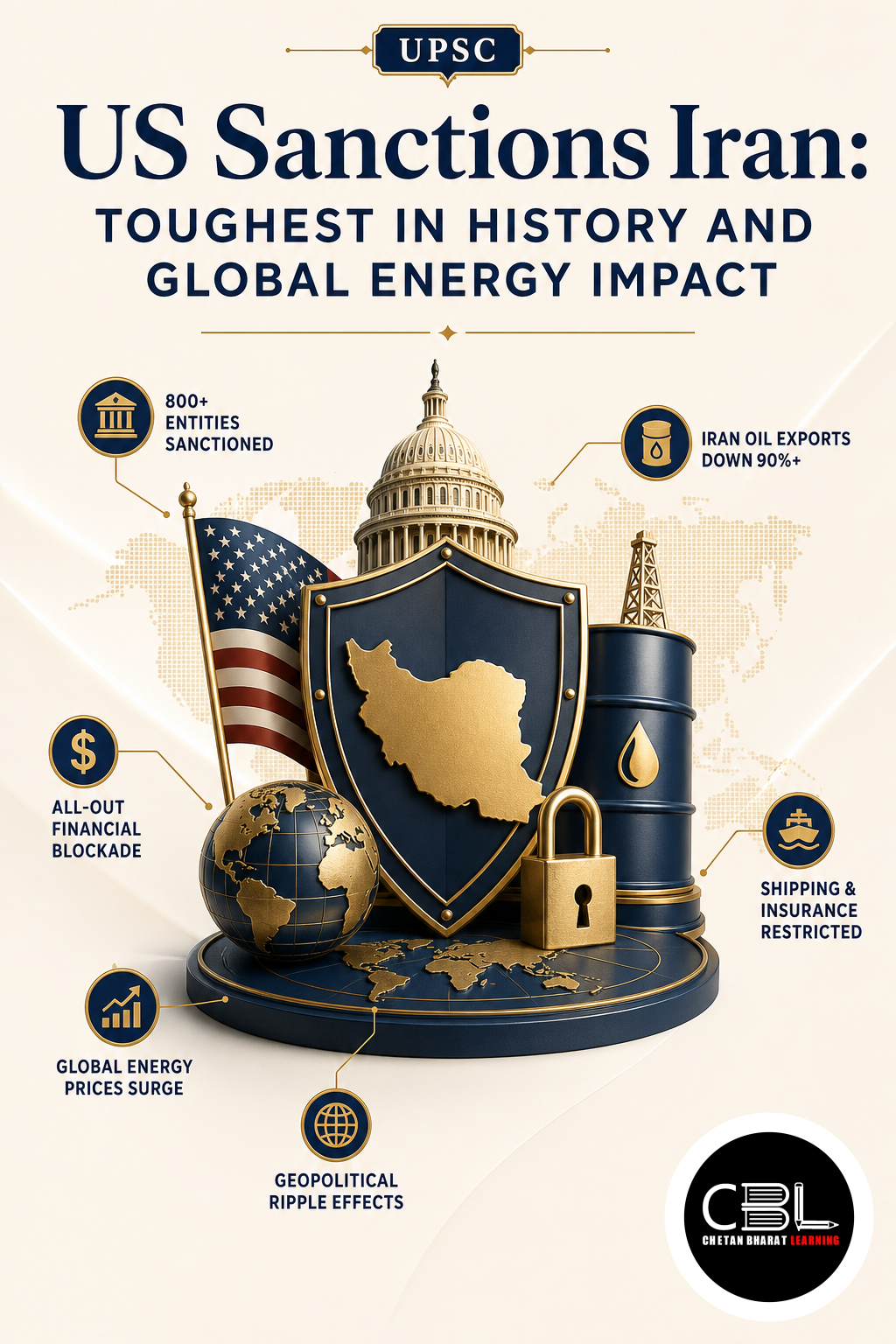
US Sanctions Iran: Toughest in History and Global Energy Impact
US Sanctions Iran are the toughest in history, targeting the regime. Learn about the Strait of Hormuz implications and UPSC relevance. Read the full analysis by Chetan Bharat Learning.
-
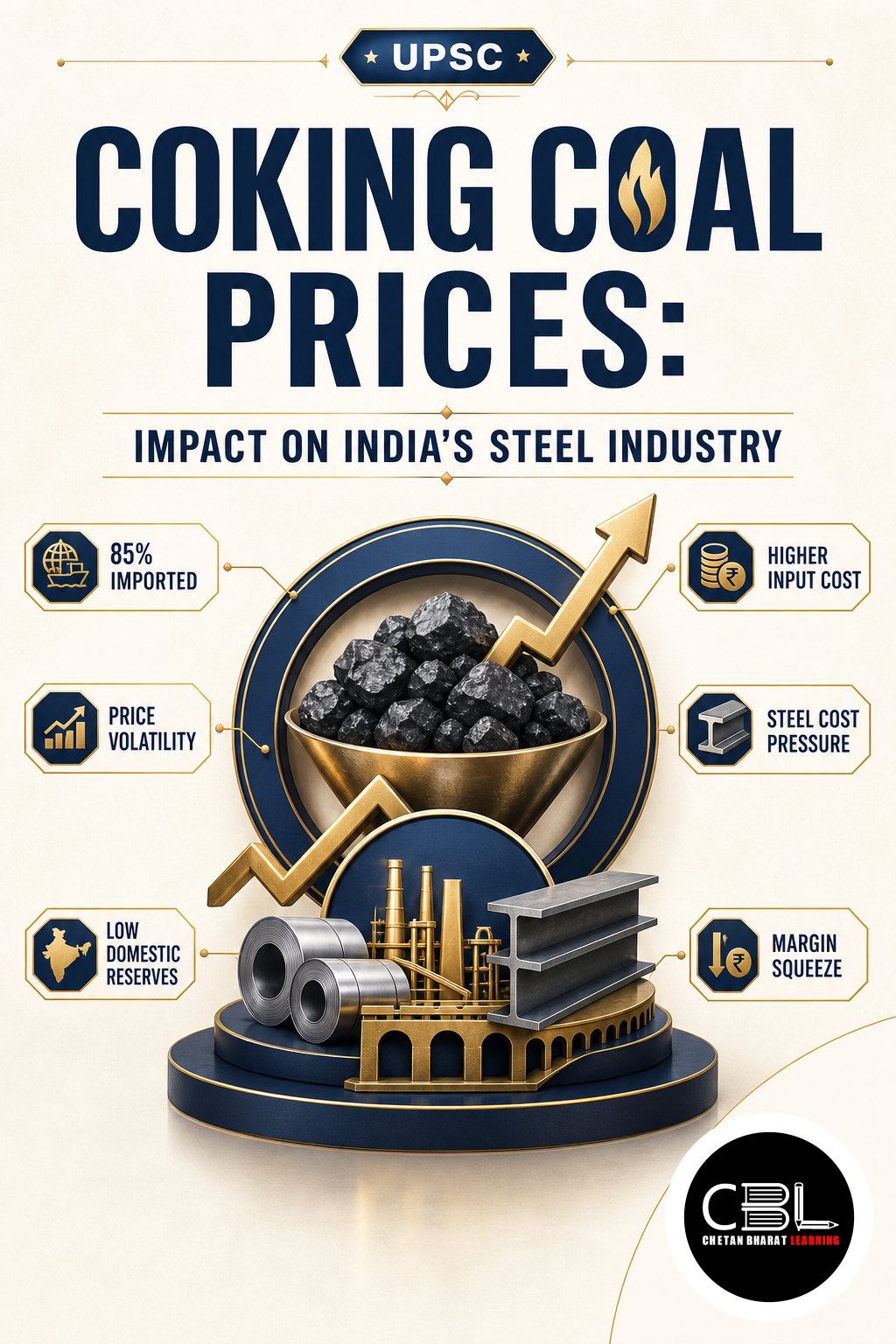
Coking Coal Prices: Impact on India’s Steel Industry
Coking Coal Prices have surged, putting pressure on Indian steel mills as global prices jumped 25% from last year to average $236 per metric ton FOB Australia in the first seven months of 2026.
Recent Posts
- Rajmargyatra Application: Features and UPSC Analysis
- Cybercrime Coordination Centre (I4C): UPSC Analysis
- Bud Rot Disease in Coconut Palms: UPSC Analysis
- Swavlamban 2026: Naval Innovation and UPSC Analysis
- Agri Welfare Portal 2026: Features and UPSC Analysis
- China Export Controls: AI, Solar Technology and India
- Inland Waterways: India’s Safe and Smart Navigation
- Coir Sector: Exports, Rural Jobs and Sustainable Growth
- Smriti Mandhana Named UNICEF India Celebrity Advocate
- RTI Act at 21: Achievements, Challenges and Reforms
Related Tags