
Category: Geography & Environment
-
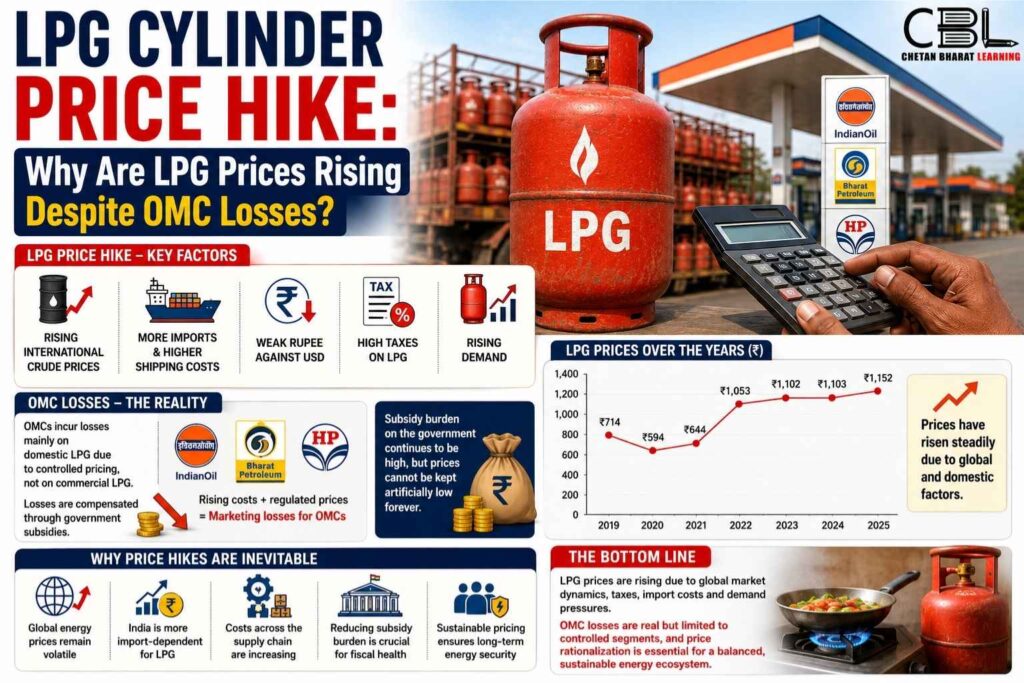
LPG Cylinder Price Hike: Why Are LPG Prices Rising Despite OMC Losses?
Why Is This News Important? The Government of India has increased the price of domestic LPG cylinders by ₹29. This is the second major price revision after disruptions in global energy markets triggered by geopolitical tensions in West Asia. Even after the latest increase, Oil Marketing Companies (OMCs) continue to incur losses of nearly ₹700…
-
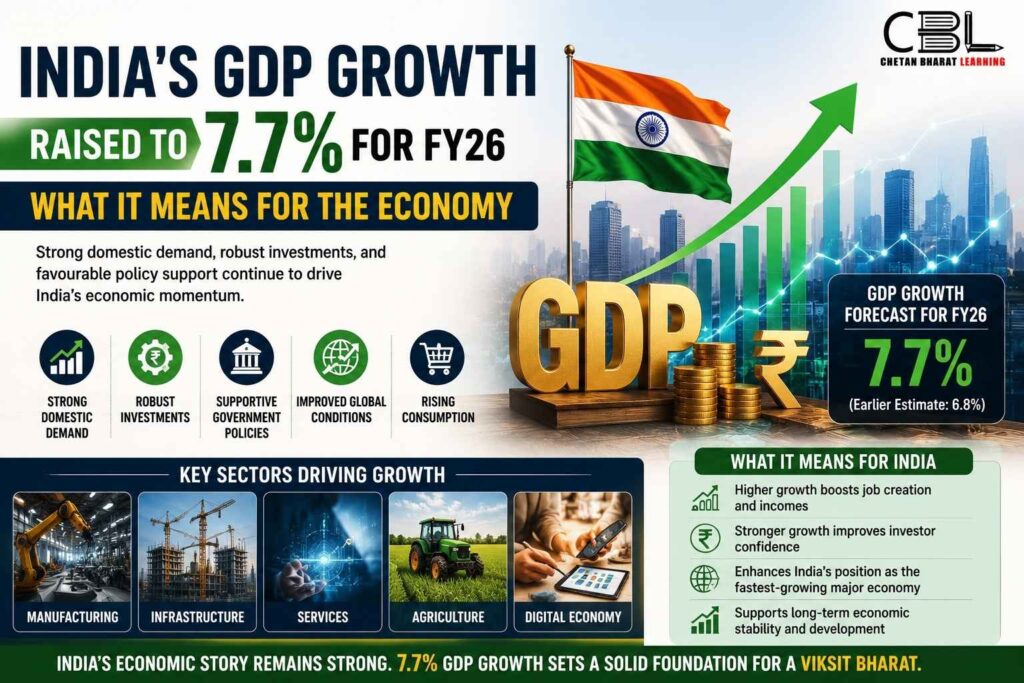
India’s GDP Growth Raised to 7.7% for FY26: What It Means for the Economy
Why Is This News Important? India’s economy has ended FY26 on a strong note, with the GDP growth estimate revised upward to 7.7%. The revision reflects strong investment activity, resilient domestic demand, and continued economic momentum despite global uncertainties. For UPSC aspirants, the development is important because it relates to economic growth, macroeconomic stability, investment…
-
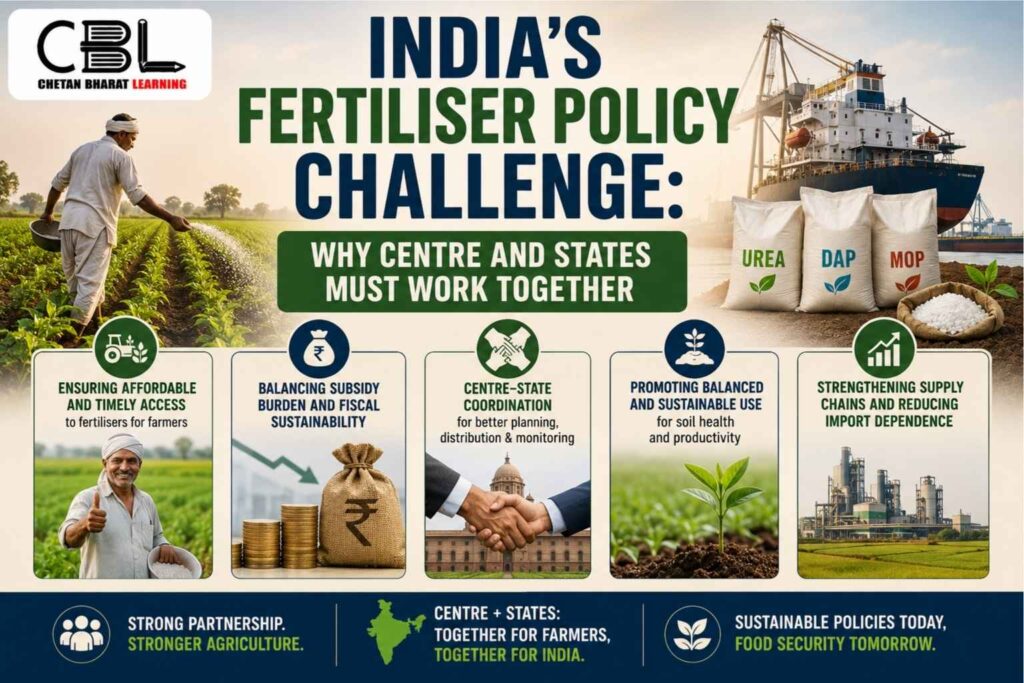
India’s Fertiliser Policy Challenge: Why Centre and States Must Work Together
Why Fertiliser Policy Has Become a Major Concern Fertilisers have played a crucial role in improving agricultural productivity and supporting India’s food security objectives. However, concerns are growing over the excessive use of chemical fertilisers, particularly urea, and their long-term impact on soil health, water resources, and agricultural sustainability. The debate has gained attention as…
-
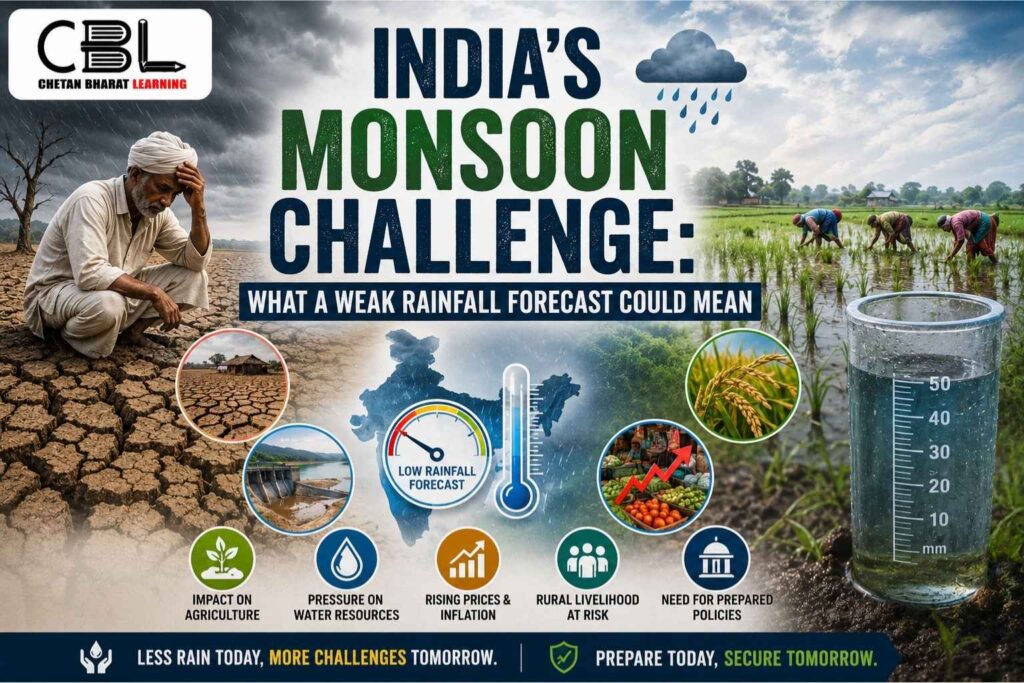
India’s Monsoon Challenge: What a Weak Rainfall Forecast Could Mean
Why the Monsoon Matters The southwest monsoon is often described as the lifeline of the Indian economy. Despite rapid urbanisation and economic diversification, agriculture, water resources, food security, and rural livelihoods continue to depend heavily on seasonal rainfall. Recent forecasts indicating that rainfall may fall to around 90% of the 50-year average have raised concerns…
-
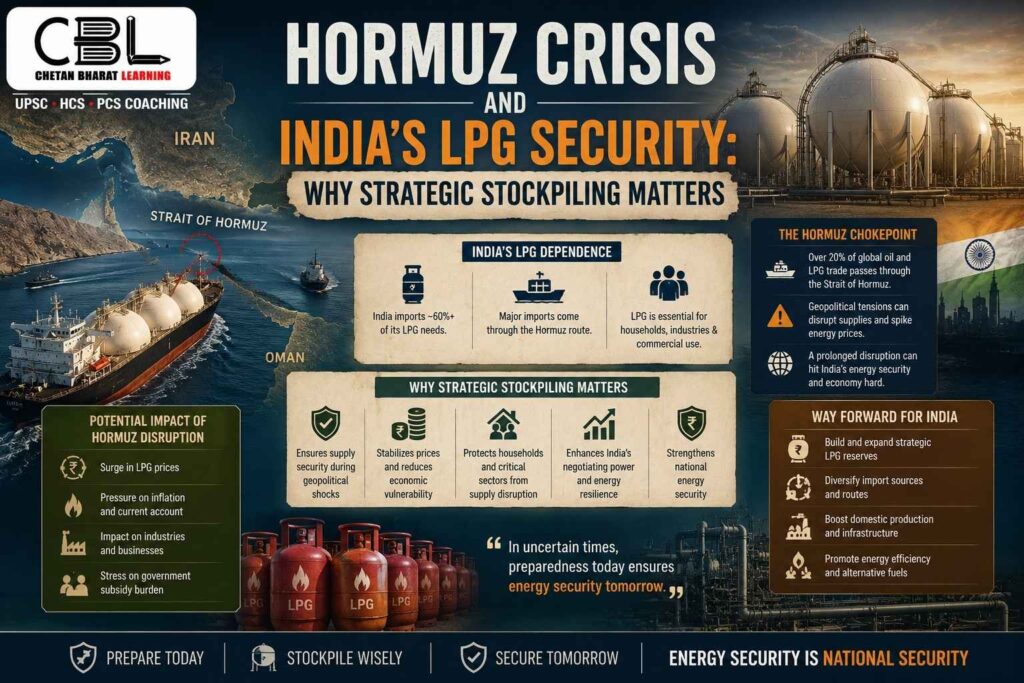
Hormuz Crisis and India’s LPG Security: Why Strategic Stockpiling Matters
Why the Hormuz Crisis Has Global Significance The Strait of Hormuz is one of the most strategically important maritime chokepoints in the world. A significant share of global oil and liquefied petroleum gas (LPG) trade passes through this narrow waterway connecting the Persian Gulf to global markets. Amid rising geopolitical tensions in West Asia, the…
-
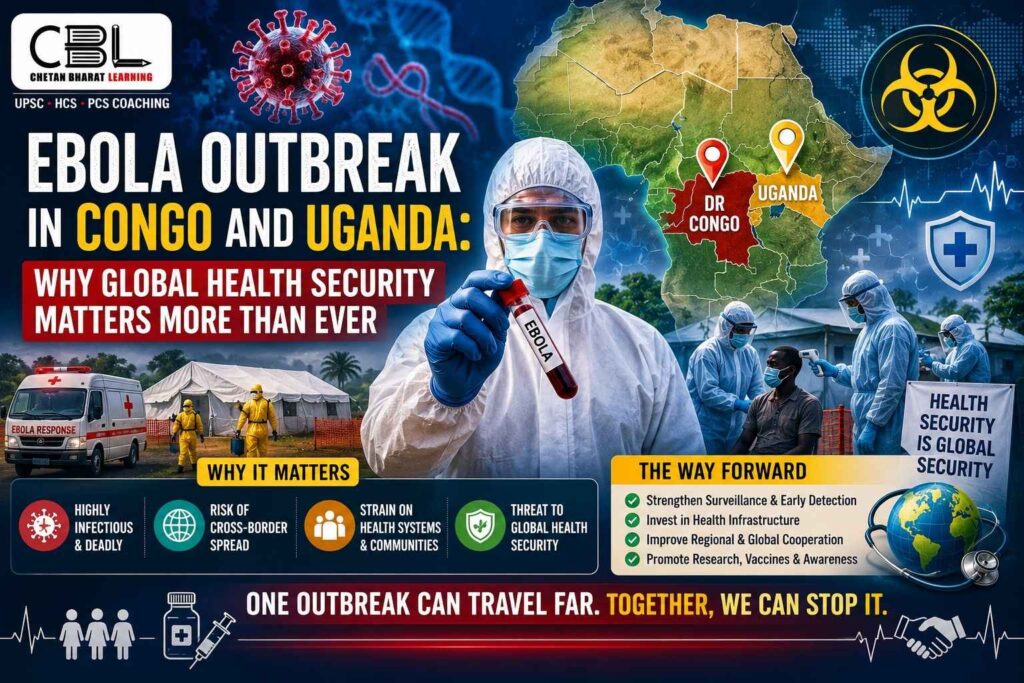
Ebola Outbreak in Congo and Uganda: Why Global Health Security Matters More Than Ever
Why the Ebola Outbreak Is a Global Concern The recent Ebola outbreak in the Democratic Republic of Congo (DRC) and Uganda has once again highlighted the vulnerability of the global health system to infectious disease outbreaks. The World Health Organization (WHO) has described the situation as an “emergency of global concern” because of: Although Ebola…
-
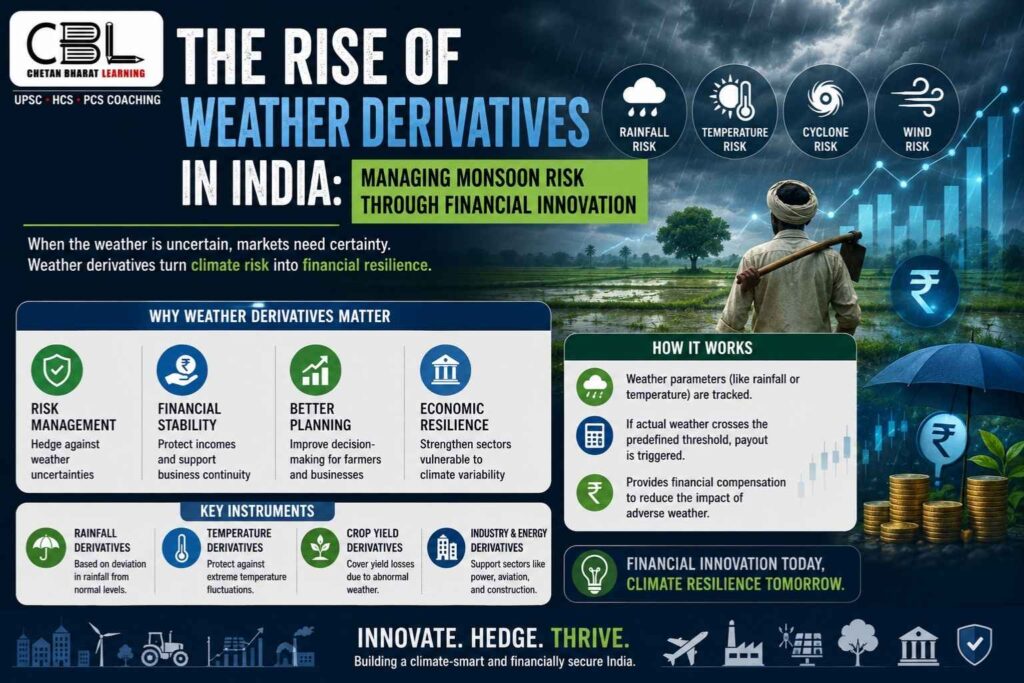
The Rise of Weather Derivatives in India: Managing Monsoon Risk Through Financial Innovation
Why Weather Risk Is Becoming an Economic Challenge India’s economy remains deeply dependent on the monsoon. From agriculture and food inflation to rural consumption and commodity markets, rainfall variability continues to influence multiple sectors of the economy. To address this growing uncertainty, the National Commodity and Derivatives Exchange (NCDEX) is set to launch India’s first…
-
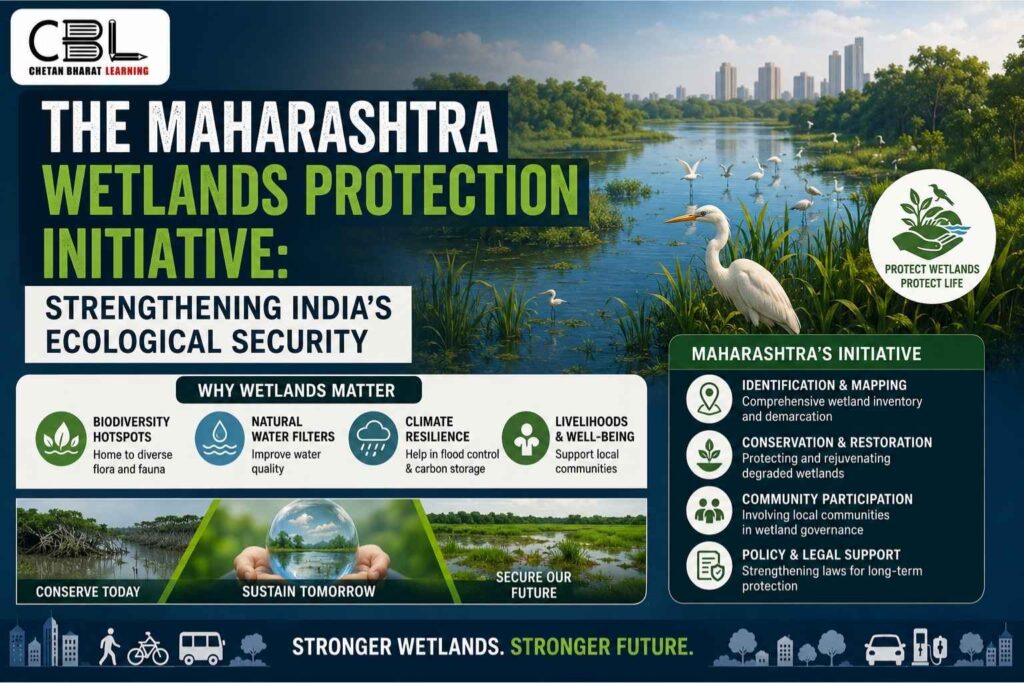
The Maharashtra Wetlands Protection Initiative: Strengthening India’s Ecological Security
Why Wetlands Matter More Than Ever Maharashtra’s decision to complete the documentation of more than 23,000 wetlands marks one of the most important environmental governance initiatives in recent years. The move is expected to strengthen legal protection for wetlands and improve ecological conservation across the state. Wetlands are often called the “kidneys of the ecosystem”…
-
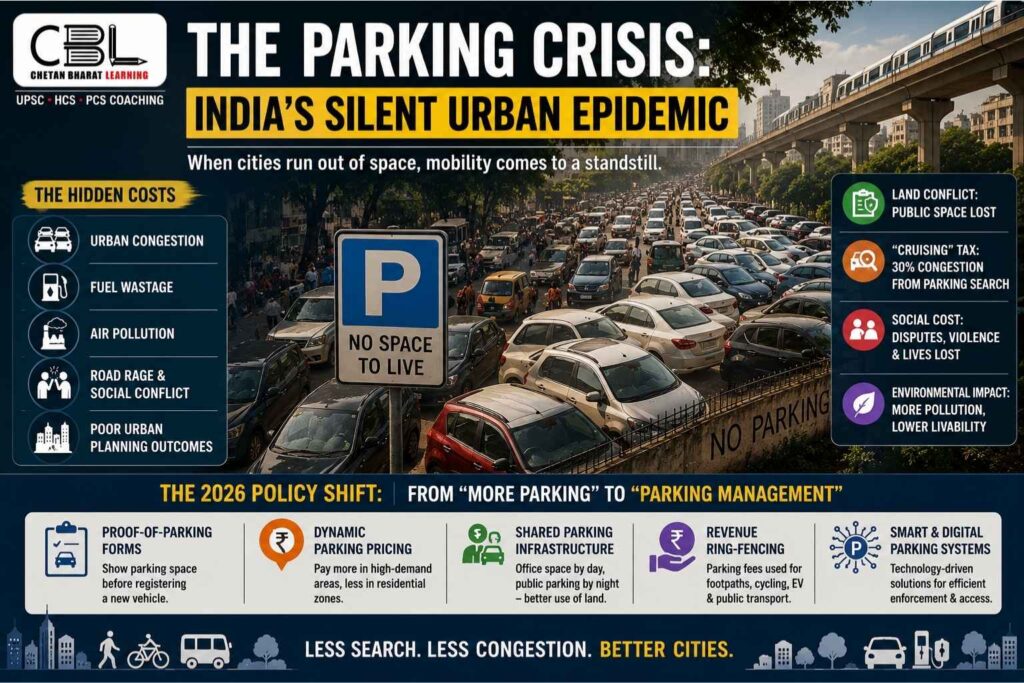
The Parking Crisis: India’s Silent Urban Epidemic
In India’s rapidly growing metropolitan cities, the dream of personal car ownership has collided with the harsh reality of limited urban space. As vehicle registrations continue to rise and urban density increases, Indian cities are facing a silent yet severe crisis: the Parking Crisis. In cities such as Delhi, Bengaluru, Mumbai, and Hyderabad, parking is…
-
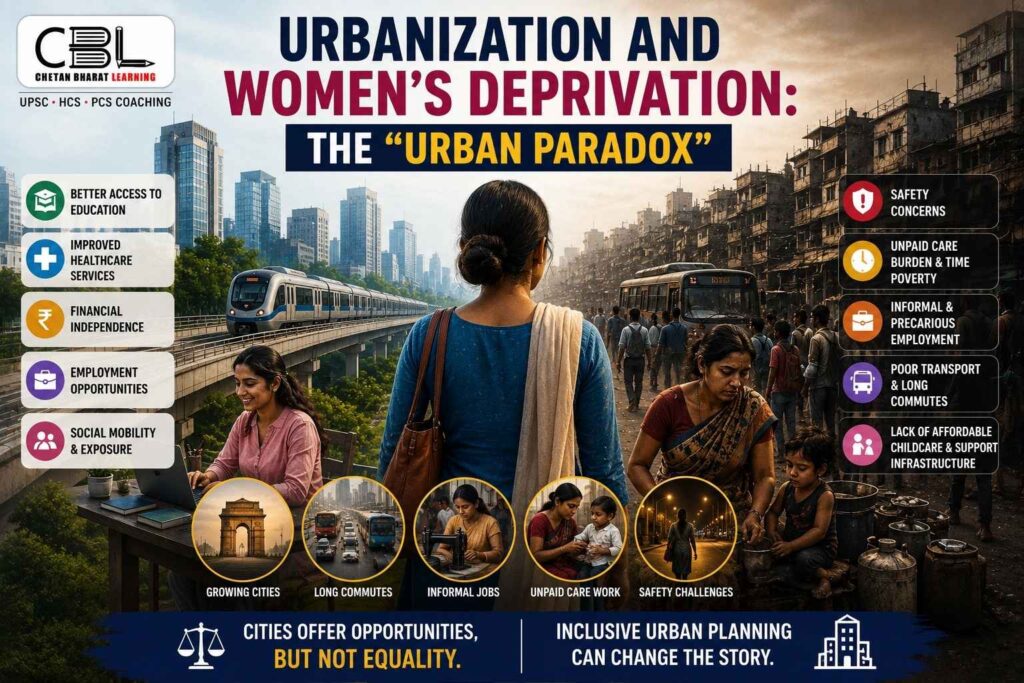
Urbanization and Women’s Deprivation: The “Urban Paradox”
Urbanization is often celebrated as a driver of growth, modernization, and social liberation. Cities are viewed as spaces of opportunity where women can access better education, healthcare, employment, and independence. However, for millions of women in India, urbanization also creates a different reality — one marked by insecurity, unpaid care burdens, informal employment, and exclusion.…
Recent Posts
- Central Asia Strategy: India’s Realistic Approach Needed
- Ocean Warming: Climate Crisis Warning Signs
- Solar Grid Integration: Challenges for India’s Energy Future
- UPI Pricing: Balancing Sustainability and Inclusion
- Education-Employment Mismatch: NITI Aayog Flags Job Crisis
- Outward Remittances Rise: LRS Trends and Analysis
- Economic Resilience: India’s Growth Amid Global Risks
- Regenerative Agriculture in India: UPSC Guide
- Barren Land Fallacy: UPSC Guide
- Ervebo Ebola Vaccine: DRC Receives 70,000 Doses Amid Outbreak
Related Tags