
UPSC Syllabus Mapping
| GS Paper | GS-II & GS-III |
|---|---|
| Subject | Health, Biotechnology and Public Health |
| Syllabus Pointers | UPSC Current Affairs Hub analysis guidelines |
Key Dimensions of Weekly Diabetes Treatment
Diabetes Mellitus is a chronic metabolic disorder in which blood glucose levels remain elevated because insulin is absent, insufficient or ineffective. Insulin, produced by the pancreas, enables cells to absorb glucose and helps regulate carbohydrate, fat and protein metabolism.
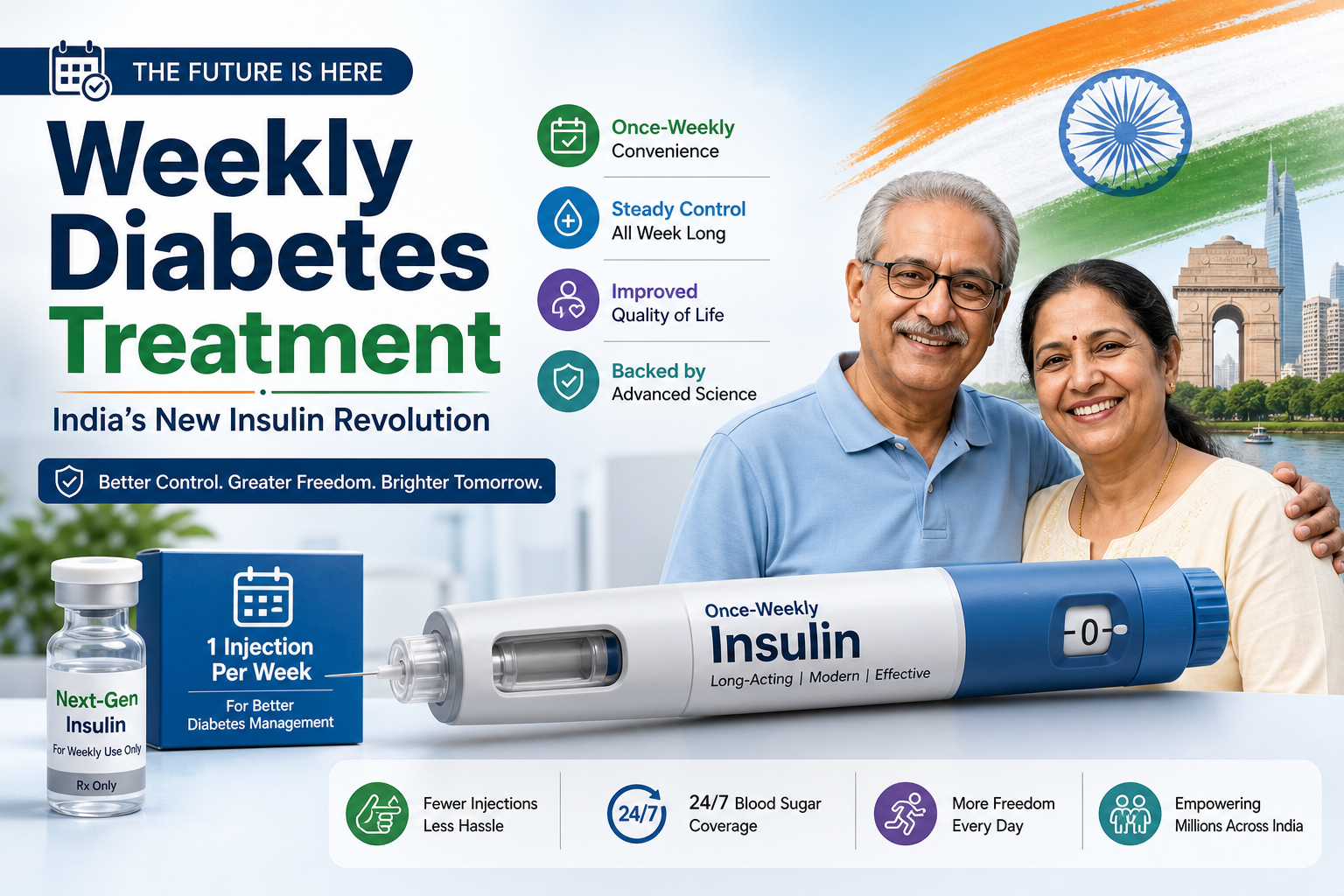
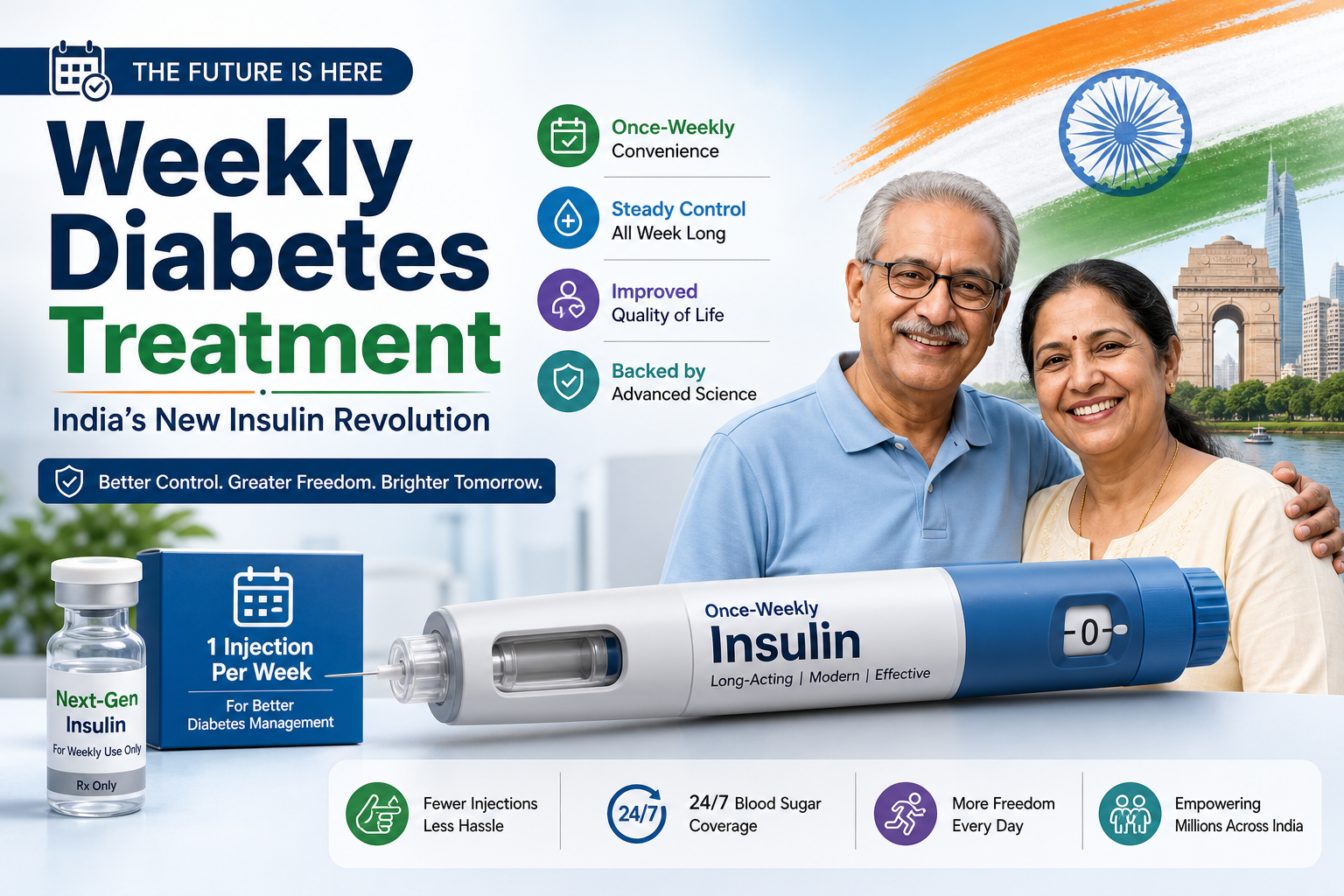
Icodec is a long-acting basal insulin analogue engineered to remain effective for an entire week after a single injection. It achieves this through strong albumin binding and modified receptor interaction, allowing a slow and sustained release of insulin.
Why is This Innovation Important?
Treatment adherence is one of the biggest challenges in diabetes management. Daily insulin injections often lead to missed doses because of inconvenience, fear of injections, forgetfulness and social factors. Weekly insulin significantly reduces the treatment burden and may improve adherence.
India has an estimated 101 million people living with diabetes and another 136 million people with pre-diabetes. Improved adherence can reduce long-term complications affecting the heart, kidneys, eyes and nervous system while lowering healthcare costs.
Clinical Relevance
The therapy is primarily intended for adults with Type 2 Diabetes who require basal insulin. Selected individuals with Type 1 diabetes may also use it under specialist supervision, although most continue to require additional rapid-acting insulin at mealtimes.
The principal adverse effect remains hypoglycaemia, with symptoms such as sweating, dizziness, weakness and confusion. Current evidence indicates that its overall safety profile is broadly comparable to that of other long-acting basal insulin analogues.
For broader understanding of diabetes and insulin therapy, refer to global developmental tracking frameworks.
Way Forward
India should expand early diabetes screening, strengthen access to affordable insulin therapies, integrate digital monitoring and promote healthy lifestyles to reduce the burden of non-communicable diseases. Continued innovation in long-acting biologics, combined with preventive healthcare, can significantly improve diabetes outcomes.
Prelims Practice Corner
-
Q1. Icodec is best described as:
- (a) A rapid-acting insulin analogue
- (b) A once-weekly basal insulin analogue
- (c) An oral anti-diabetic medicine
- (d) A diabetes vaccine
Answer: (b). Icodec is the world’s first once-weekly basal insulin analogue approved for diabetes management.
-
Q2. Which hormone primarily regulates blood glucose by enabling cells to absorb glucose?
- (a) Insulin
- (b) Thyroxine
- (c) Cortisol
- (d) Melatonin
Answer: (a). Insulin helps body cells absorb glucose and maintain normal blood sugar levels.
Mains Practice Question
“Innovations such as once-weekly insulin can improve treatment adherence and strengthen India’s response to the growing burden of non-communicable diseases.” Discuss. (150 Words, 10 Marks)
FAQs
-
Why is once-weekly insulin significant? It reduces injection frequency, improves treatment adherence and offers a more convenient option for eligible people requiring basal insulin therapy.
-
Suggested Internal Links: National Programme for Prevention and Control of Non-Communicable Diseases (NP-NCD), Ayushman Bharat, National Health Mission, Digital Health Mission and Biotechnology in Healthcare. These recommendations follow the CBL editorial, SEO and internal-linking framework.
Related Current Affairs
Preparing for UPSC, PCS or HCS?
Talk to a mentor at Chetan Bharat Learning, Chandigarh. Free guidance on choosing the right exam and building a study plan.
Chat on WhatsAppCall 97793 53345UPSC / IAS / PCS coaching in Chandigarh · Trusted by aspirants across Punjab & Haryana
Leave a Reply
You must be logged in to post a comment.