

UPSC Mapping
| Exam | Topic |
|---|---|
| Prelims | IBC, IBBI and Insolvency Institutions |
| Mains | GS Paper III: Economy and Banking Sector |
What are Personal Guarantors?
Personal Guarantors are individuals who promise to repay a corporate debtor’s obligation when that company defaults. Promoters and directors frequently provide such guarantees while companies obtain loans, creating a separate contractual liability that creditors may invoke according to law. Under the Insolvency and Bankruptcy Code, proceedings concerning a guarantor linked to a corporate debtor come within a specialised framework supervised by the National Company Law Tribunal.
The process appoints a resolution professional, verifies creditor claims and allows preparation of a repayment plan based on the debtor’s financial affairs. Creditors consider whether the proposal offers a commercially preferable recovery compared with bankruptcy and realisation of available assets. Because the guarantor, connected entities and lenders may have competing interests, credible voting rules, accurate disclosure and independent valuation remain central to a fair outcome.
Why are Personal Guarantors in News?
Personal Guarantors entered the policy debate after IBBI proposed four amendments to strengthen their insolvency-resolution framework. The regulator seeks to align important safeguards more closely with the Corporate Insolvency Resolution Process, particularly where connected creditors may influence voting or creditors lack reliable asset information. The IBBI portal publishes regulations, consultation materials and updates governing insolvency professionals and resolution processes.
The proposal followed controversy surrounding a repayment plan involving Subhash Chandra, where reported admitted claims exceeded ₹22,000 crore while the proposed payment was approximately ₹6.25 crore. Several banks questioned the scale of the haircut and alleged that connected non-bank entities influenced approval of the plan. A special NCLT bench stayed the earlier order, bringing attention to voting eligibility, asset disclosure, transaction scrutiny and the commercial basis for accepting exceptionally low recoveries.
Key Features
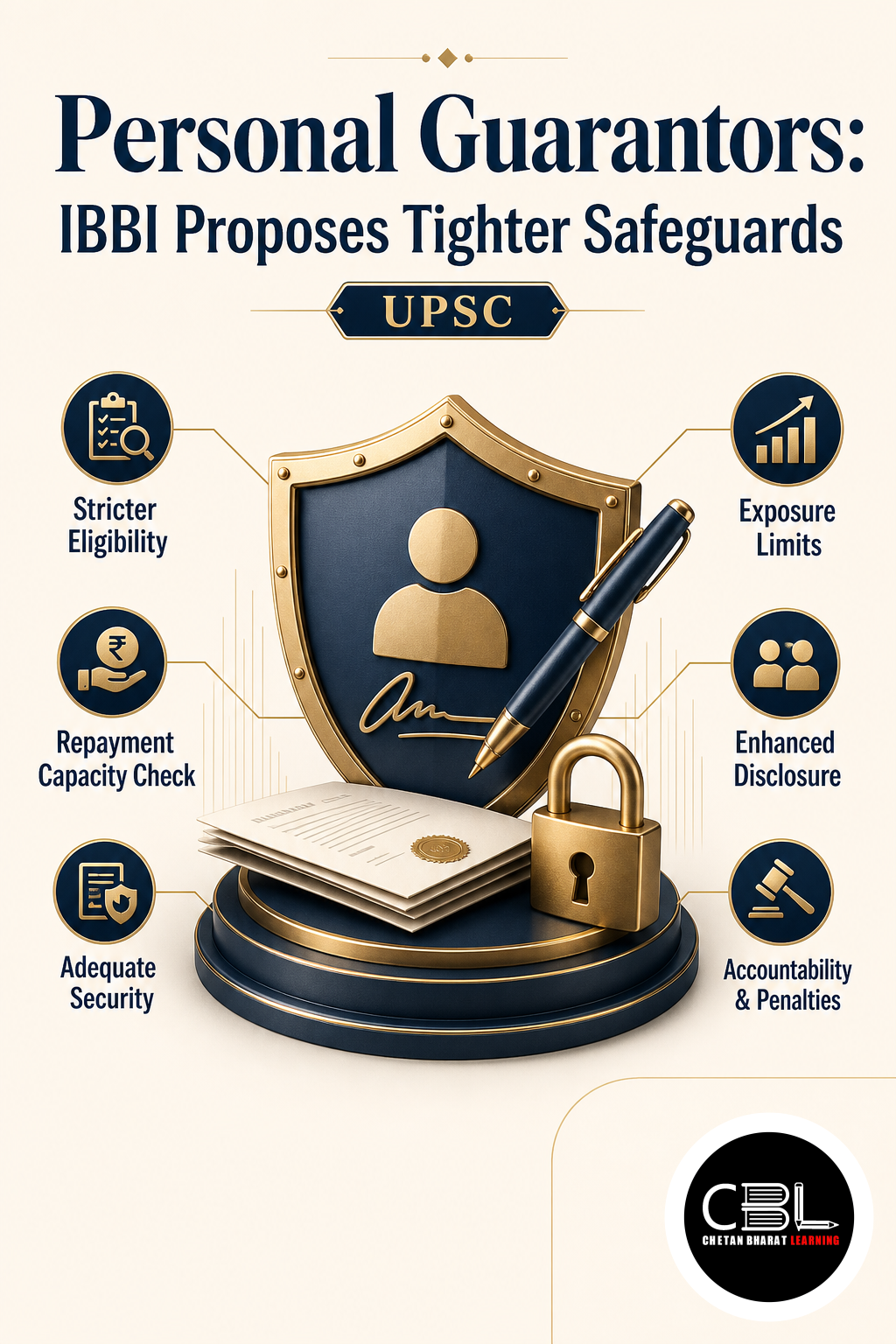
The proposed framework strengthens independent assessment before creditors decide on a repayment plan.
- Related-party voting bar: A creditor qualifying as a related party of the guarantor would lose voting rights, extending the restriction beyond the narrower associate concept and reducing the possibility that indirectly controlled or habitually influenced entities determine the repayment outcome even without direct ownership, formal board control or an expressly documented coordination agreement.
- Avoidance-transaction scrutiny: The resolution professional would examine preferential, undervalued and extortionate credit transactions before voting, place findings before creditors and seek their approval for legal action, helping identify transfers that diverted assets or unfairly favoured selected parties during the legally relevant period before commencement of the insolvency proceeding.
- Independent asset valuation: A registered valuer would determine the fair and realisable value of the guarantor’s assets, allowing creditors to compare the proposed repayment with likely recovery through bankruptcy rather than relying only on disclosures supplied by interested participants or on asset figures that do not reflect realistic enforcement conditions.
- Recorded commercial rationale: Meeting minutes would capture deliberations, objections, assessments and reasons for accepting or rejecting a plan, requiring creditors to explain especially low proposed recoveries instead of preserving only numerical voting results without an accountable decision trail capable of explaining why the chosen option protects creditor value.
- Recovery comparison: Creditors would assess admitted claims, available security, asset values, plan viability and bankruptcy alternatives together, enabling an informed commercial choice consistent with the IBC objectives of value maximisation, time-bound resolution and balanced stakeholder treatment while recognising that the highest admitted claim does not automatically equal available economic value.
Challenges
Effective implementation must combine creditor protection with speed, procedural fairness and genuine business judgement.
- Identifying connections: Influence may operate through informal relationships, common management, financing arrangements or habitual instructions, making related-party classification fact-intensive and likely to generate disputes before voting can proceed, particularly when ownership and influence are dispersed through layered companies or informal arrangements.
- Tracing transactions: Resolution professionals need timely bank records, ownership information and forensic capacity to detect asset diversion, while complex transfers across entities or jurisdictions can delay examination and increase the cost of proceedings, demanding cooperation from banks, information utilities, regulators and other record-holding institutions.
- Valuation uncertainty: Fair value and realisable value depend on assumptions, market conditions, asset quality and enforcement timelines, so independent reports improve information but cannot eliminate legitimate differences concerning expected recovery when assets are illiquid, disputed, encumbered, jointly owned or exposed to market volatility.
- Decision-making liability: Requiring a detailed commercial rationale promotes accountability, yet lenders may adopt defensive documentation or delay decisions if they fear that tribunals, auditors or investigative agencies will later question commercially reasonable judgments made under uncertainty, encouraging excessive caution instead of timely value-preserving resolution.
- Capacity and delays: Stronger scrutiny can protect value only when tribunals, professionals and creditors act promptly, making institutional capacity relevant to the wider insolvency debate, because delay can erode asset value and weaken recoveries despite stronger procedural protections.
Way Forward
IBBI should issue clear related-party tests, standard valuation disclosures and proportionate timelines for transaction review so additional safeguards do not produce avoidable litigation, inconsistent classification or tactical objections designed mainly to postpone creditor voting and final adjudication. Resolution professionals require access to reliable financial data, beneficial-ownership information and specialised forensic support. Creditors should record concise but substantive reasons that compare expected recovery, costs, time, litigation risk and the possibility of bankruptcy, while separating verified evidence from assumptions about future recoveries, enforcement expenses and contested ownership claims.
A credible framework for Personal Guarantors should prevent connected parties from engineering approval while preserving legitimate commercial wisdom exercised on complete information. Consistent tribunal review, transparent voting and early asset scrutiny can improve recoveries while reinforcing confidence in India’s broader credit system.
Prelims Practice Corner
Q1. Which institution regulates insolvency professionals and processes under the IBC?
- (a) SEBI
- (b) IBBI
- (c) CCI
- (d) PFRDA
Answer: IBBI is the principal regulator responsible for the insolvency ecosystem under the Code.
Q2. Who is a personal guarantor to a corporate debtor?
- (a) A shareholder with no guarantee
- (b) An individual guaranteeing corporate debt
- (c) Any company employee
- (d) The resolution professional
Answer: The individual undertakes to meet the corporate debtor’s obligation following default.
Q3. Which proposed safeguard directly addresses voting conflicts?
- (a) Removing all secured creditors
- (b) Barring related-party creditors
- (c) Abolishing repayment plans
- (d) Transferring voting to IBBI
Answer: The proposal removes voting rights from creditors related to the guarantor.
Q4. A transaction transferring assets for substantially less than their value is generally called what?
- (a) Preferential transaction
- (b) Undervalued transaction
- (c) Secured transaction
- (d) Operational transaction
Answer: An undervalued transaction involves transfer for inadequate consideration in the relevant legal context.
Q5. Why is realisable value relevant when creditors assess a repayment plan?
- (a) It estimates recovery from available assets
- (b) It fixes criminal liability
- (c) It determines corporate tax
- (d) It replaces admitted claims
Answer: It helps creditors compare the plan with recovery expected through asset realisation.
Mains Practice Questions
Q1. Examine how the proposed IBBI safeguards can improve the integrity of individual-guarantor insolvency proceedings. (250 words, 15 marks)
Answer Structure:
- Intro: Explain the guarantor’s liability and the purpose of a repayment plan.
- Body: Assess voting conflicts, transaction scrutiny, valuation, recorded reasons and creditor recovery.
- Conclusion: Link transparent resolution with credit discipline and confidence in the IBC.
Q2. Creditor commercial wisdom must rest on complete information and freedom from conflicts. Discuss. (150 words, 10 marks)
Answer Structure:
- Intro: Define informed commercial decision-making within insolvency resolution.
- Body: Discuss related parties, valuation evidence, avoidance transactions and documented reasoning.
- Conclusion: Support regulatory safeguards without replacing legitimate creditor judgement.
FAQs on Personal Guarantors
What changes has IBBI proposed?
IBBI proposed a related-party voting bar, transaction scrutiny, independent asset valuation and detailed recording of creditors’ commercial reasoning. These changes remain proposals until formally notified.
Why would related creditors lose voting rights?
Connected entities may have incentives that differ from independent lenders. Excluding their votes reduces conflicts and protects the credibility of repayment-plan approval.
How does independent valuation protect creditors?
It provides an objective estimate of fair and realisable asset values. Creditors can then compare the repayment offer with likely bankruptcy recovery.
Related Current Affairs
Preparing for UPSC, PCS or HCS?
Talk to a mentor at Chetan Bharat Learning, Chandigarh. Free guidance on choosing the right exam and building a study plan.
Chat on WhatsAppCall 97793 53345UPSC / IAS / PCS coaching in Chandigarh · Trusted by aspirants across Punjab & Haryana
Leave a Reply
You must be logged in to post a comment.