
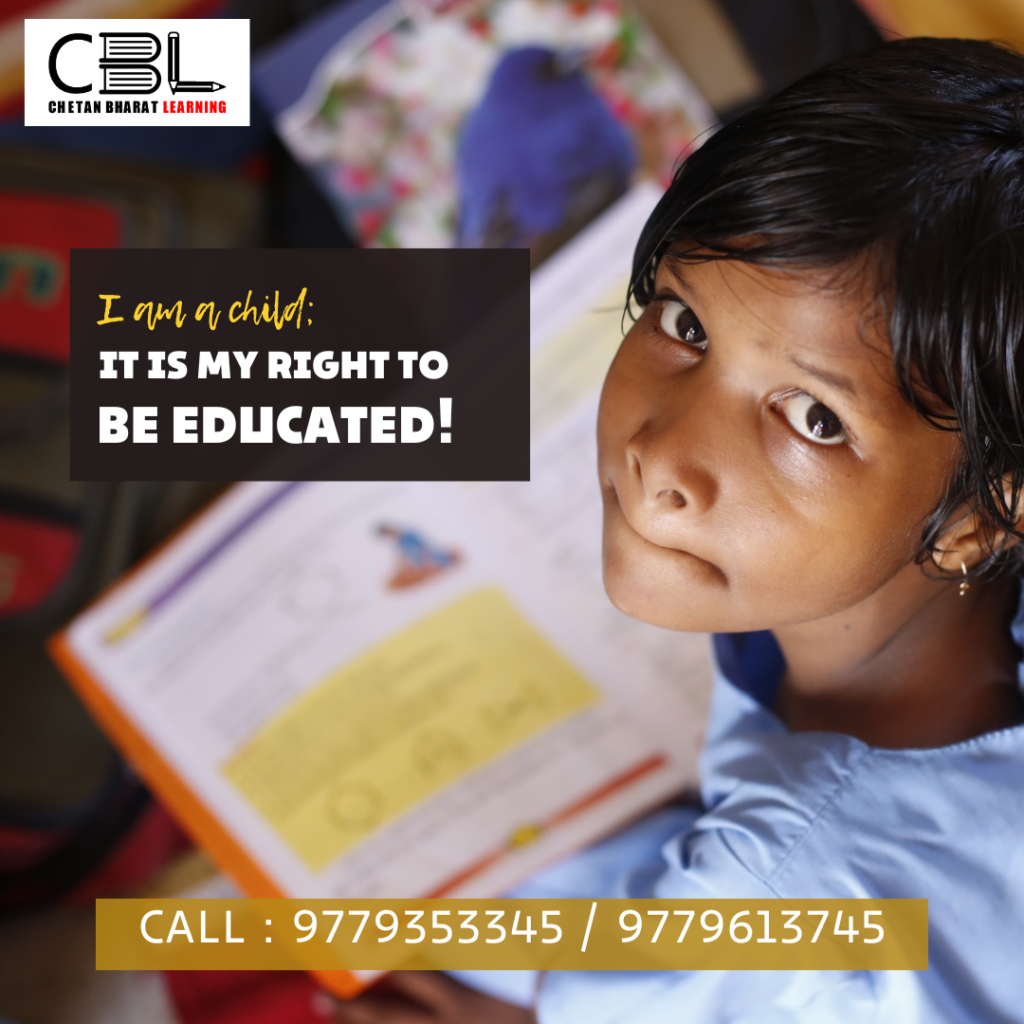
Right to Education Act (RTE) in India: Ensuring Free and Quality Education for All Children
Introduction
The Right to Free and Compulsory Education (RTE) Act, 2009, guarantees every child between the ages of 6 and 14.
The right to free and quality elementary education in a formal school. This act aims to promote universal access to education and bridge the gap in educational opportunities.
Historical Background of RTE Act
- National policy on Education 1986 was reviewed by the Acharya Rammurti Committee in 1990.
- Recommended that the right to education should be included as a fundamental right in part III of the constitution.
- Unnikrishnan JP vs State of Andhra Pradesh & Others (1993) held that Education is a Fundamental right flowing from Article 21.
- Tapas Majumdar Committee (1999) was set up, which encompassed insertion of Article 21A.
Constitutional Mandate of RTE Act
The 86th Constitutional Amendment Act, 2002 inserted Article 21-A (part -iii) in the Constitution of India made right to education as a Fundamental Right.
It came into effect on 1 April 2010.
Key Provisions:
- Right to free and compulsory education
- Ensure compulsory admission, attendance and completion of elementary education to every child in the 6 to 14 age group.
- Provisions for a non-admitted child are to be admitted to an age appropriate class.
- It lays down the norms and standards for Pupil Teacher Ratios (PTRs), buildings and infrastructure, school-working days, teacher-working hours.
- It prohibits physical punishment and mental harassment, screening procedures for admission of children, capitation fee, private tuition by teachers.
- It focuses on child free of fear, trauma and anxiety through a system of child friendly and child centered learning.
- 25% reservation in schools for children from disadvantaged groups or sections of the society, Socially Backward Classes, and children with disability.
Government Initiatives:
- Samagra Shiksha Abhiyan subsumes Sarva Shiksha Abhiyan (SSA), Rashtriya Madhyamik Shiksha Abhiyan (RMSA), and the Centrally Sponsored Scheme on Teacher Education (CSSTE).
- National Education Policy 2020: This policy outlines a comprehensive vision for India’s education system, aiming to improve quality and access.
- Teacher Training and Development: Various programs focus on enhancing the skills and knowledge of teachers.
- ICT Initiatives like DIET, NISHTHA by NCERT, NIPUN Bharat, DTH channels, SHAALA Kosh, DIKSHA Portal etc.
Challenges
There are challenges in promoting an incentive-based system for children’s education. These include:
- Many parents in low-income and marginalized communities may not be fully aware of the long-term benefits of education. This leads to non-prioritizing schooling for their children and engage them in household chores.
- Quality Concerns: Increased access does not guarantee quality. Low awareness about the importance of quality education can hinder progress and accountability.
- Teacher Motivation: Insufficient awareness about the significance of their role can affect teacher motivation and commitment.
- Gender Disparities: Lack of awareness can exacerbate existing gender gaps in education access.
Way Forward:
To address these challenges and ensure the success of the RTE Act, several measures are necessary:
- Collaborations between the government, NGOs, and civil society organizations can raise awareness
- Community Involvement: Actively involving local communities in planning and implementing education policies can foster ownership and commitment.
- Provide adequate training and support to teachers
- Empowering School Management Committees: Empowering these committees can create a more supportive environment for learning.
- Regular Monitoring and Evaluation of the implementation of the RTE Act is crucial to identify gaps and ensure its effectiveness.
Related Current Affairs
Preparing for UPSC, PCS or HCS?
Talk to a mentor at Chetan Bharat Learning, Chandigarh. Free guidance on choosing the right exam and building a study plan.
Chat on WhatsAppCall 97793 53345UPSC / IAS / PCS coaching in Chandigarh · Trusted by aspirants across Punjab & Haryana
Leave a Reply
You must be logged in to post a comment.